
Trustreviewsx may earn a commission when you buy through links on this page, at no extra cost to you. This does not affect our ratings.
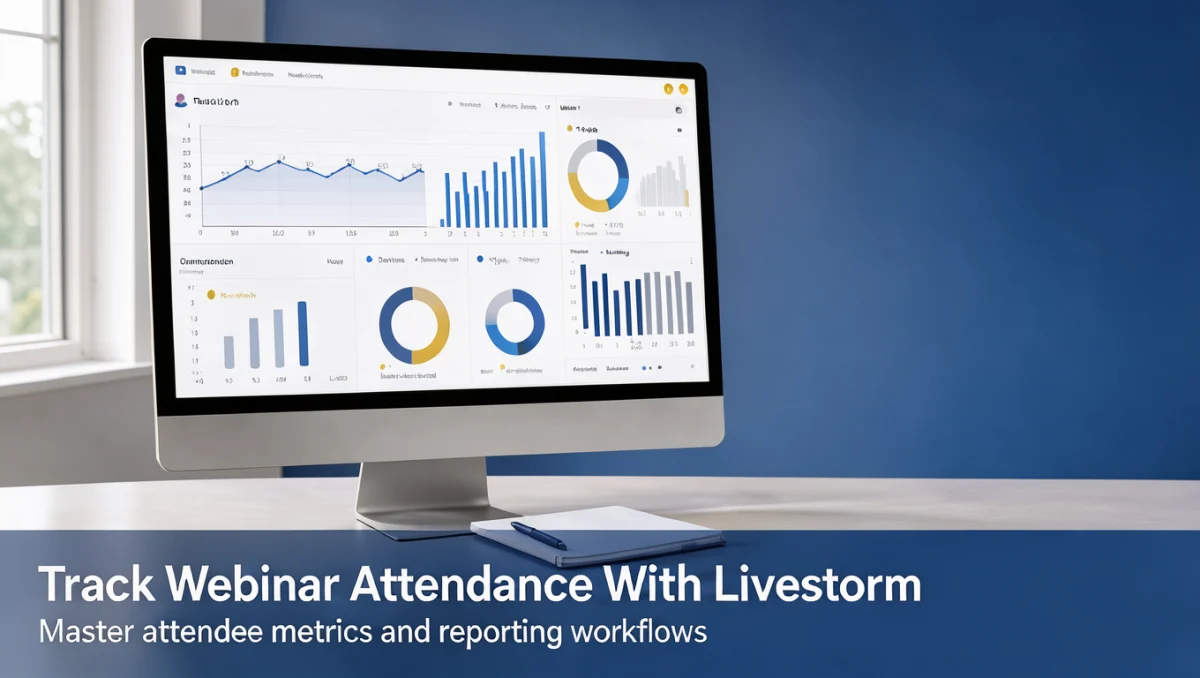
how to track webinar attendance with livestorm begins with understanding how virtual event platforms collect attendee check-in times and session duration data. At Trust Reviews X, we look at event operations from an objective viewpoint so organizers can manage reporting workflows without technical confusion.
Livestorm is a dedicated video engagement platform designed to run live meetings, product demonstrations, and structured online seminars. Tracking participation records helps marketing departments and training coordinators evaluate engagement without manually reconciling viewer lists.
Quick verdict: Rated 7.7/10 by Trustreviewsx, learning how to track webinar attendance with Livestorm serves teams that need structured session logs and clear participation summaries. It suits marketing teams and training managers seeking consolidated attendance reporting, but remains less relevant for operators wanting simple one-off personal video chats without attendee tracking needs.
| Metric | Summary |
|---|---|
| Trustreviewsx score | 7.7/10 |
| Best for | Teams that want structured post-session attendance records and engagement analytics |
| Not ideal for | Solo operators who only host casual unstructured video calls without reporting requirements |
| Key strengths | Unified event workflows, automated attendance logging, and clear exportable session reporting |
| What to check before buying | Confirm on the official Livestorm website which plan tier supports your team reporting export preferences |
1. How Trustreviewsx Reviewed Livestorm
This review looks at what Livestorm is built to do, who it serves, and how it compares with similar tools, using the seven Trustreviewsx criteria: features, ease of use, pricing and value, integrations, audience fit, support and competitive position. Plans, prices and limits change often, so we point out what to confirm on the official website before you buy. This article was researched and drafted with the help of AI tools, then reviewed and edited by the Trustreviewsx Editorial Team.
2. Before You Start Tracking Attendance
Before monitoring attendance records, verify that your webinar registration workflow gathers clean participant data at the initial signup stage. Webinar platforms rely on distinct registrant identification markers, such as email addresses, to log when an individual enters and exits the presentation room.
Review your organization privacy guidelines before logging participant presence. Because modern data privacy frameworks govern personal activity logging, verify on the official Livestorm website what data handling disclosures apply to attendee record collection.
Establishing internal benchmarks for attendance metrics ensures your team understands the difference between total registrants, active viewers, and on-demand replay viewers. Exploring tools in our Collaboration & Productivity section can also help align team workflows across your entire marketing and communication stack.
3. Getting Started Workflow for Tracking Attendance
3.1. Setting Up Registration Fields
Accurate attendance tracking starts with structured registration form configuration. Capture essential participant identifiers, such as corporate email, company name, and functional role, to segment your final attendance records effectively.
Standardize mandatory form fields across recurring webinars. Consistent naming conventions allow post-session data comparisons across multiple quarters without manual data cleaning.
3.2. Monitoring Real-Time Session Turnout
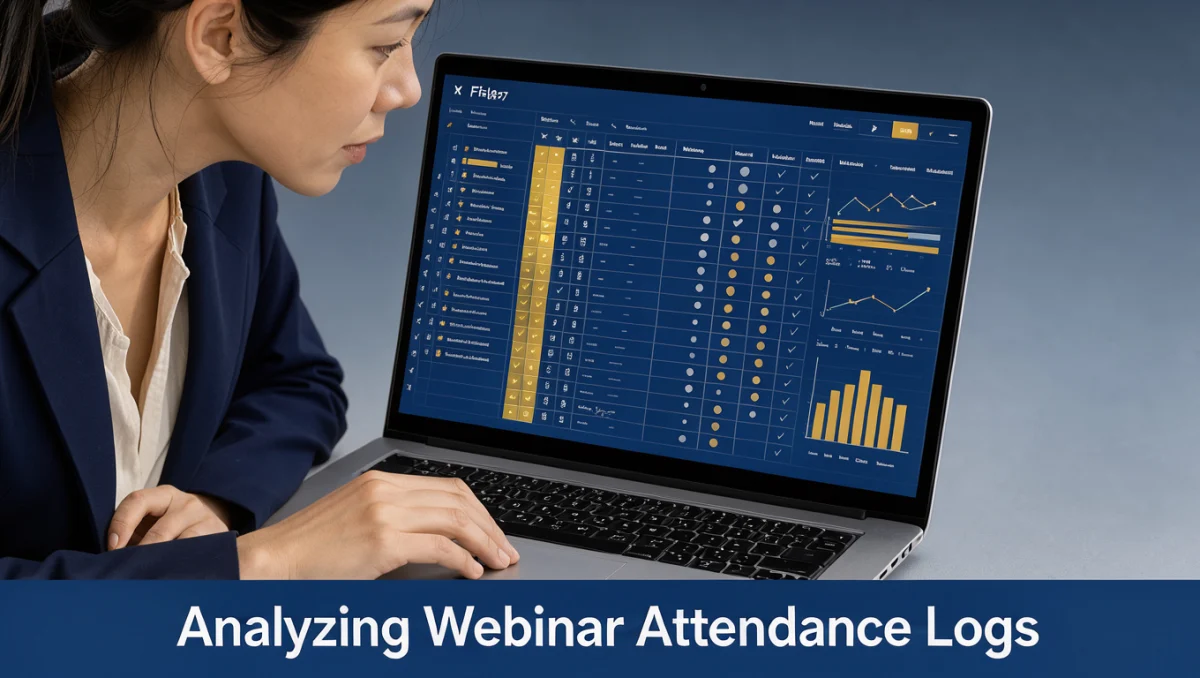
During the live broadcast, monitor incoming attendee volume alongside your presentation pacing. Live session dashboards display active participant counts, providing visibility into arrival patterns and early drop-off points.
Note significant drop-offs during transitions, such as moving from presentation slides to live audience questions. Correlating participation drops with specific agenda topics helps hosts refine future presentation duration and content delivery.
3.3. Reviewing Post-Webinar Analytics and Exports
Once the broadcast concludes, access the event reporting overview to evaluate comprehensive attendance numbers. Review total registration counts against actual attendees to calculate your baseline attendance rate.
Export the attendee activity report to inspect individual connection lengths and overall engagement. Confirm on the official Livestorm account portal which spreadsheet formats and report filters match your operational reporting requirements.
4. Best Practices for Accurate Event Reporting
Establish consistent tagging rules for different event types to prevent internal training sessions from skewing public marketing attendance averages. Clear category labels keep departmental analytics clean and actionable.
Compare live attendance records against replay viewership to measure long-term content engagement. Many registrants who miss the live broadcast consume the recorded content within subsequent days, creating secondary engagement data.
Sync webinar attendance records with your existing record systems promptly after the event closes. Timely data updates ensure sales representatives follow up while prospect interest remains fresh.
5. Common Mistakes to Avoid in Attendance Tracking
Failing to account for multi-device logins is a frequent tracking mistake. When a single participant switches from a mobile connection to a desktop workstation, unrefined logs can create duplicate attendance entries if email matching is not enabled.
Ignoring connection duration often distorts performance evaluations. A participant who leaves after three minutes should not be categorized the same as an attendee who remains engaged for forty-five minutes.
Another common mistake is forgetting to audit data export settings prior to major conferences. Always verify export columns on your account dashboard in advance to ensure crucial parameters like attendance duration are captured properly.
6. Who Should Track Webinar Attendance With Livestorm
6.1. Corporate Training Coordinators
Internal training coordinators benefit from structured attendance logs to prove compliance and course completion. Automated session timestamps eliminate manual sign-in rosters during employee development seminars.
6.2. Demand Generation Marketers
Marketing teams utilize attendance duration metrics to score lead qualification levels. Attendees who complete entire product overviews represent warmer sales opportunities than individuals who leave during introduction slides.
6.3. Organizations Not Ideal for Complex Attendance Systems
Small groups conducting casual peer-to-peer discussions do not require detailed attendance analytics. For informal catch-ups, straightforward video calling applications without event analytics overhead provide a more practical approach.
7. FAQ
How should teams prepare for post-webinar attendance audits?
Teams should define standard reporting metrics before the presentation starts, including minimum duration thresholds for qualified attendance. Confirm on the official Livestorm reporting guide which analytical columns your team should export for internal record keeping.
What causes discrepancies between registered contacts and actual attendees?
Scheduling conflicts, calendar reminder delivery issues, and timezone confusion frequently impact the conversion between registration and live attendance. Tracking attendance rates across multiple sessions reveals seasonal patterns and helps marketing coordinators optimize scheduling.
How does attendance duration impact post-event lead qualification?
Connection duration shows audience interest more accurately than registration status alone. Sales teams can prioritize prospective buyers who watched the full presentation over registrants who exited before key product demonstrations began.
What should administrators check regarding reporting permissions?
Administrators should verify team member access levels to ensure only authorized personnel handle participant contact details and attendance records. Confirm on the official Livestorm management settings page how reporting permissions are delegated across account members.
8. Final Verdict
| Criterion | Score /10 | Reason |
|---|---|---|
| Features | 8.0 | Provides unified session management, structured registration workflows, and detailed participant analytics. |
| Ease of Use | 8.2 | Presents clear event overviews and streamlined analytics dashboards suitable for business teams. |
| Pricing and Value | 7.2 | Buyers must verify plan structures and participant allowances on the official site to match their budget. |
| Integrations | 7.4 | Data synchronization capabilities depend on platform settings that should be checked on the vendor portal. |
| Audience Fit | 8.1 | Fits marketing professionals and corporate educators needing reliable post-session attendance verification. |
| Support | 7.3 | Service options and assistance workflows should be reviewed directly on the vendor portal prior to purchasing. |
| Competitive Position | 7.7 | Holds a dedicated position among modern webinar tools focused on automated analytics and audience interaction. |
Overall score: 7.7/10
For marketing teams, corporate trainers, and enterprise communicators who require verifiable attendance records, Livestorm provides organized event management and detailed participation reporting. Buyers should visit the official website to review plan options before deployment.
Have questions about setting up event tracking? Send your inquiries through the Trustreviewsx Contact Page or connect with our team on LinkedIn.