
Trustreviewsx may earn a commission when you buy through links on this page, at no extra cost to you. This does not affect our ratings.
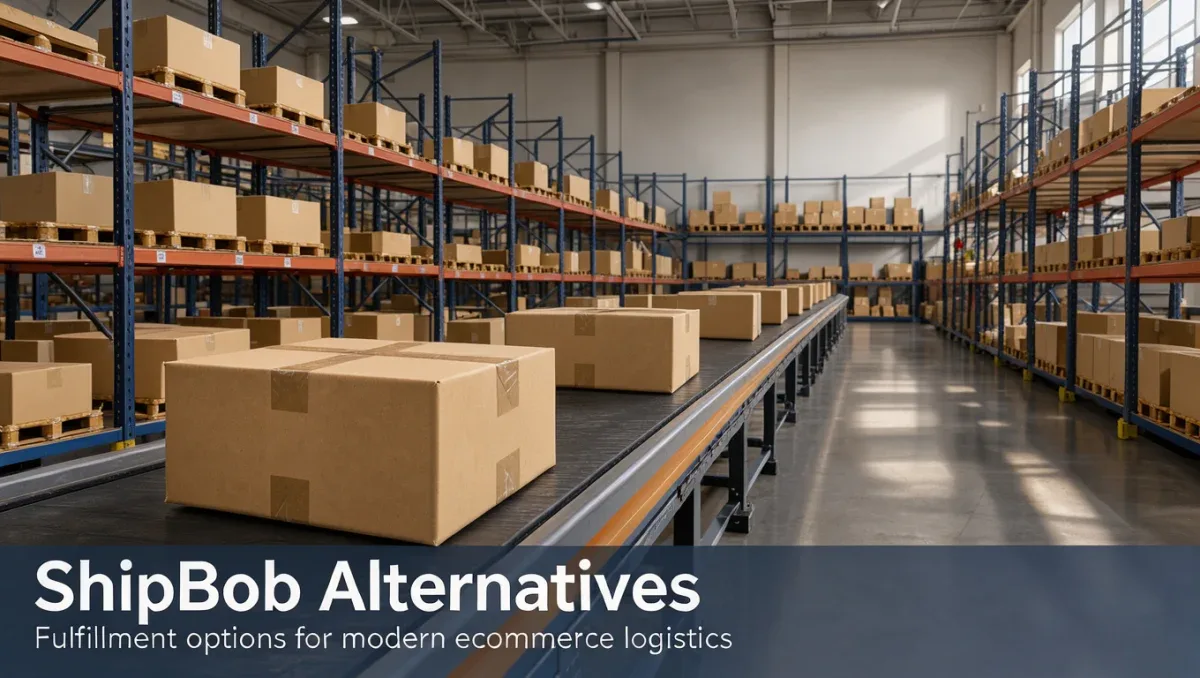
ShipBob alternatives provide online merchants with diverse warehousing and order distribution networks when a single fulfillment provider no longer matches operational requirements. At Trustreviewsx, our mission is to deliver clear frameworks that assist digital brands in evaluating logistics partners without bias or guesswork.
Every logistics provider operates with a specific operational emphasis, ranging from handling oversized freight to managing specialized inventory configurations. Selecting between these fulfillment networks requires examining account management models, receiving workflows, and regional warehouse locations directly with each provider.
Quick answer: Brands seeking different fulfillment partners often evaluate ShipMonk for customized packing routines, Red Stag Fulfillment for heavy or fragile items, and regional logistics providers for concentrated domestic shipping. Your decision depends on product catalog dimensions, order velocity, and required warehouse locations across key customer zones.
| Alternative | Switch to it if | Main trade-off |
|---|---|---|
| ShipMonk | You require specialized packing guidelines and customized unboxing configurations. | Verification of setup requirements and minimum order thresholds is necessary on the official website. |
| Red Stag Fulfillment | Your product line includes heavy, bulky, or high-value physical goods. | Bespoke handling procedures require custom onboarding alignment before dispatching inventory. |
| Fulfillment.com | You need distribution coverage targeting diverse worldwide retail markets. | Cross-border documentation and storage rules demand direct review with their logistics team. |
1. How Trustreviewsx Put This Guide Together
This guide combines what the software covered here is built to do with the Trustreviewsx buying framework, so you can make the decision that fits your business. Plans, prices and limits change often, so we point out what to confirm on the official website before you buy. This article was researched and drafted with the help of AI tools, then reviewed and edited by the Trustreviewsx Editorial Team.
2. Why people look beyond ShipBob

Third-party logistics partnerships evolve as merchant order profiles expand into new categories or regional hubs. Exploring shipbob alternatives often becomes necessary when merchandise dimensions demand specialized storage racks, temperature monitoring, or custom kitting workflows that standardized logistics networks do not prioritize.
Cost predictability represents another major operational factor for growing online stores. Merchants managing varied stock units frequently review invoicing methods, storage fee calculations, and receiving guidelines across different logistics vendors to ensure their overall fulfillment expenditure remains sustainable.
- Specialized product handling: Bulky merchandise, fragile goods, and regulated items frequently benefit from dedicated logistics facilities equipped for heavy freight.
- Customization requirements: Subscription boxes, branded packaging inserts, and distinct packing sequences often require personalized warehouse assembly lines.
- Geographic distribution: Concentrated regional customer bases may perform better with specialized regional facilities rather than distributed national hub systems.
3. Switching triggers
Identifying the exact operational friction in your current supply chain ensures you choose a partner capable of resolving specific warehouse bottlenecks. In modern E-commerce logistics, changing fulfillment providers requires careful alignment between order volumes and facility capabilities.
| Reason you want to switch | Type of alternative to consider | What to check first |
|---|---|---|
| Merchandise exceeds standard parcel dimensions or weight brackets | Specialized heavy-goods fulfillment network | Confirm pallet receiving protocols and dimensional weight billing formulas on the official portal. |
| Unboxing experience requires specific materials and custom placement | High-touch fulfillment partner with kitting specializations | Review assembly guidelines and sample packaging workflows with account representatives. |
| Orders concentrate inside a single geographic territory | Regional fulfillment center network | Check warehouse proximity to your dominant carrier hubs and primary postal zones. |
| Inventory moves across multiple international customs checkpoints | Global logistics network with cross-border facilities | Examine import handling processes and duty calculation tools directly with their staff. |
4. The alternatives
Choosing an alternative provider involves reviewing distinct operational models against your business catalog. Online merchants should evaluate each vendor based on product handling requirements, storage arrangements, and operational focus.
4.1. Switch from ShipBob to ShipMonk if you need high-touch packing customization
ShipMonk focuses on multichannel ecommerce merchants seeking tailored packing workflows and customized unboxing presentations. Brands switching to this provider typically require custom branding rules, gift notes, or specialized kitting sequences that need careful assembly on the warehouse floor. The trade-off involves verifying account onboarding prerequisites and monthly order requirements directly on the official ShipMonk website before transferring active inventory.
4.2. Switch from ShipBob to Red Stag Fulfillment if your catalog features heavy or bulky merchandise
Red Stag Fulfillment positions its operations around oversized products, heavy parcels, and high-value physical goods. Merchants with products such as furniture, commercial fitness gear, or large electronics often switch here to avoid dimensional parcel penalties common in standard fulfillment facilities. The primary trade-off is a specialized operational focus that requires checking carrier freight contracts and inventory intake procedures on the official Red Stag Fulfillment portal.
4.3. Switch from ShipBob to Fulfillment.com if your primary focus is global order routing
Fulfillment.com targets merchants orchestrating cross-border distribution across separate international continents. Online sellers switch to this network when expanding into diverse international consumer hubs where local fulfillment centers minimize transit times. The main trade-off centers on coordinating international customs compliance, so confirm local tax documentation support and storage policies on the official Fulfillment.com website prior to contract signing.
5. How to switch without losing data

Migrating fulfillment partners requires a structured workflow to maintain order velocity and protect inventory records. At Trust Reviews X, we advise running deliberate transition phases rather than abrupt operational cutoffs.
- Conduct a complete physical inventory audit: Reconcile all physical stock units at your existing warehouse against your central store database to establish accurate starting counts.
- Export historic shipping data and SKU master lists: Download product dimensions, barcoding details, and previous shipment metrics into standardized spreadsheets for your new fulfillment team.
- Integrate store channels in a test environment: Connect your digital storefronts and sales channels to the new warehouse management portal, testing order sync and tracking feedback loops.
- Route fresh inventory to the new provider: Ship new manufacturing runs or inbound purchase orders directly to the replacement fulfillment center while existing inventory depletes at the old facility.
- Decommission legacy connections systematically: Once remaining inventory reaches baseline levels at your prior provider, transfer residual units and disconnect automated store triggers.
6. Frequently asked questions
When should an online brand consider switching fulfillment providers?
A transition is worth considering when product catalog changes introduce oversized dimensions, when packaging requirements demand specialized manual kitting, or when storage cost models no longer align with product turnover rates. Review warehouse contract terms and intake specifications before starting any migration process.
What steps help prevent shipping delays during warehouse migration?
Merchants avoid shipping interruptions by sending incoming manufacturing orders to the new warehouse while allowing current inventory to fulfill existing customer orders from the prior facility. This parallel operational approach keeps customer deliveries moving without abrupt transfer pauses.
What data must be prepared before onboarding with a new logistics partner?
Merchants must prepare verified SKU measurement charts, product weight records, universal product codes, packaging specifications, and typical sales velocity patterns. Accurate initial data ensures warehouse receiving teams catalog incoming cartons without processing delays.
Why do packaging requirements impact the choice of fulfillment provider?
Standard fulfillment centers automate sorting and packing for standard boxes, while specialized providers maintain dedicated assembly tables for customized packaging, tissue wrapping, and marketing inserts. Confirm specific packing capabilities directly on the official provider website.
7. Bottom line
Selecting among ShipBob alternatives requires identifying your central operational constraint, whether your brand requires heavy-freight handling, customized subscription kitting, or regional storage facilities. Verify onboarding workflows, receiving fees, and minimum volume guidelines on official provider websites to ensure the partner matches your operational model.
Have a question about choosing software? Send it to the Trustreviewsx team through our contact page or follow Trustreviewsx on LinkedIn for new reviews and comparisons.