
Trustreviewsx may earn a commission when you buy through links on this page, at no extra cost to you. This does not affect our ratings.
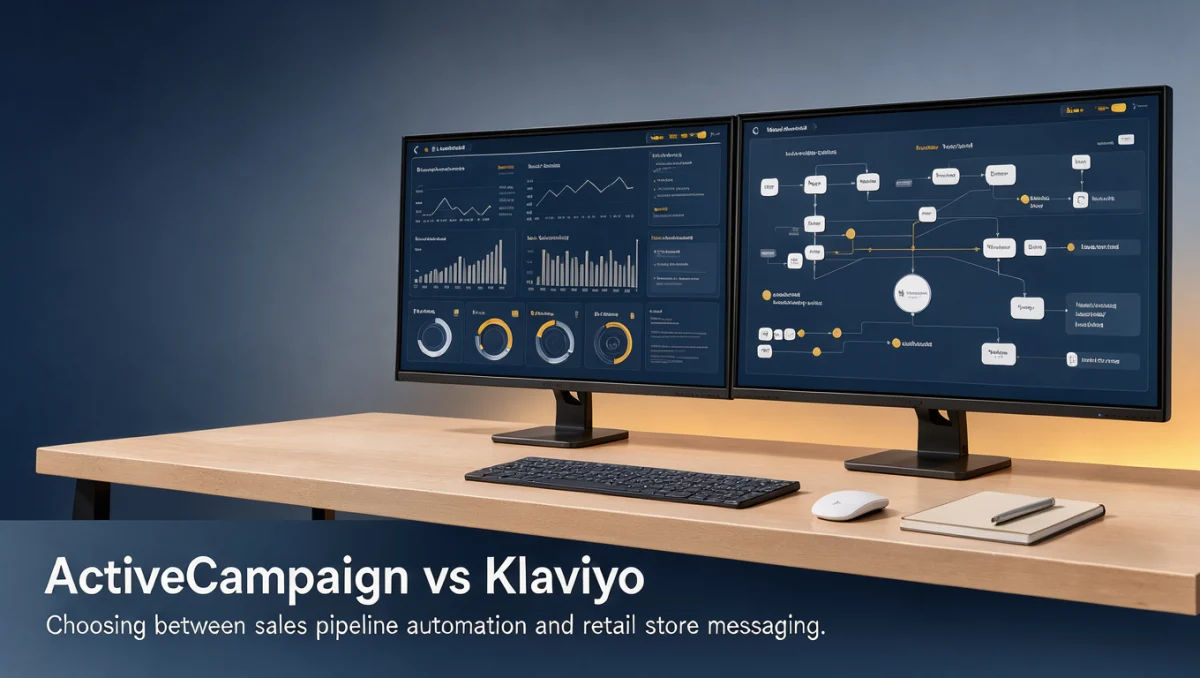
Choosing between activecampaign vs klaviyo comes down to how your revenue is generated. One platform blends marketing automation with deal tracking, while the other runs an event-driven messaging hub built around retail transactions. Before committing, you need to know whether your customers move through sales pipelines, consultations, and lead scoring, or through repeat online store purchases fed by product catalog data. At Trust Reviews X, we judge each tool by its operational purpose rather than marketing claims.
Both products sit within modern marketing stacks, yet they follow different operational rhythms. ActiveCampaign works as an automation engine paired with contact record management for varied commercial models, whereas Klaviyo is built around merchant data structures and digital purchase behavior. Matching the architecture to your company early prevents costly migrations later.
Quick verdict: With an overall rating of 8.0 out of 10, the decision depends on your operating model. ActiveCampaign suits service firms, consulting agencies, and multi-channel teams that need pipeline tracking, while Klaviyo fits online retail merchants who want automated messages powered by shopping activity. Neither suits individuals who only need a basic newsletter tool without automated customer journeys.
| Evaluation Factor | Trustreviewsx Summary |
|---|---|
| Trustreviewsx score | 8.0 / 10 |
| Best for | Teams balancing client relationship tracking with automated email sequences, or online retail merchants managing digital shopping carts. |
| Not ideal for | Solo creators who only send manual newsletters without automation logic, segmentation workflows, or transaction data tracking. |
| Key strengths | Branched workflow automation, customer relationship tracking, store-level purchase event monitoring, and audience segmentation. |
| What to check before buying | Review list size tiers, sending limits, contract terms, and required add-on modules on each official vendor website before subscribing. |
1. How Trustreviewsx Reviewed ActiveCampaign vs Klaviyo
This review examines what each platform is designed to do, who it serves, and how it compares with similar tools. We applied seven Trustreviewsx criteria: features, ease of use, pricing and value, integrations, audience fit, support, and competitive position. Plans, prices, and limits change frequently, so we flag what to confirm on the official websites before buying. This article was researched and drafted with AI assistance, then reviewed and edited by the Trustreviewsx Editorial Team.
2. Short Answer
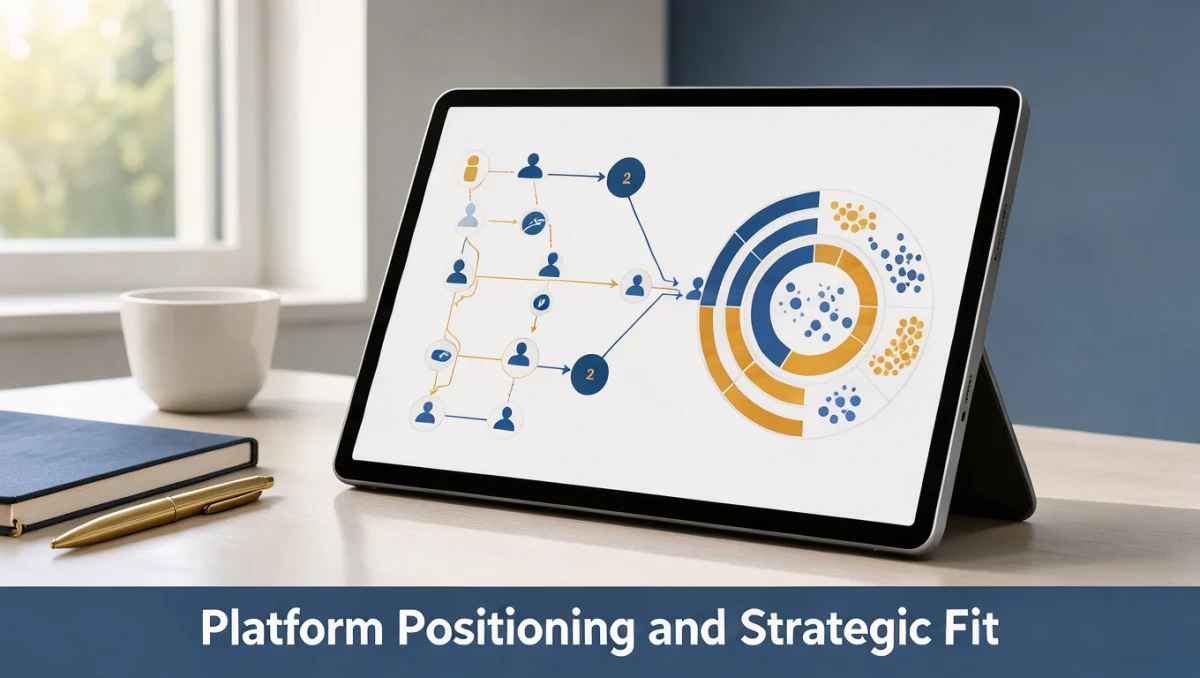
The main difference lies in whether your revenue runs on deal stages and cross-channel lead qualification or on ecommerce transaction events. ActiveCampaign offers a flexible automation canvas that combines email workflows with internal task assignment and contact pipeline oversight. That makes it a fit for professional services, subscription platforms, education programs, and businesses with human-led sales steps.
Klaviyo specializes in the retail commerce lifecycle. Its data model captures storefront actions such as product views, cart additions, completed checkouts, and refunds. If your business depends on turning order histories and browsing intent into message sequences, Klaviyo meets that need. If you must track consultations, proposals, and pipeline milestones alongside marketing touchpoints, ActiveCampaign aligns more closely with your requirements.
3. Positioning Comparison
Understanding how vendors categorize their platforms helps you avoid mismatching a tool to your priorities. Marketing platforms differ in how they ingest contact attributes, interpret behavioral signals, and prompt next steps for team members.
| Tool | Best for | Core strength | Consider if |
|---|---|---|---|
| ActiveCampaign | B2B services, education providers, agencies, and mixed-model businesses. | Multi-path automation builders linked to deal stages and lead scoring. | Your model involves proposals, consultative client calls, or sales pipelines. |
| Klaviyo | Direct-to-consumer ecommerce merchants with product catalogs. | Real-time store event synchronization and product-specific audience segmentation. | Your revenue relies on repeat retail checkouts and online browsing activity. |
Assess whether your customer relationship is transactional or relationship-driven. When communication needs human intervention, such as account management or pipeline progression, sales automation tools offer better organization. When communication is driven purely by automated triggers after an online shopping session, retail-focused platforms deliver faster value.
4. Features and Functional Scope
Evaluating functional scope means looking at automation construction, audience segmentation, contact management, and message creation. Each platform approaches these tasks with a distinct design philosophy.
Automation Builders and Visual Logic
ActiveCampaign provides an automation builder built around triggers, conditional splits, wait conditions, and internal system updates. Users can create branched sequences that respond not only to email clicks or website visits, but also to stage movements in a deal pipeline, tag updates, and score thresholds. The visual canvas lets marketing and sales teams route contacts based on complex behavioral criteria across long sales cycles.
Klaviyo organizes automation through prebuilt event flows designed for digital commerce. Flows trigger on retail activities such as abandoned checkouts, price drops on browsed items, or loyalty milestones. Branching is supported based on past purchase history and estimated customer lifetime spending, but the logic centers on prompting customer transactions rather than managing internal manual sales tasks.
Audience Segmentation and Data Ingestion
Segmentation in ActiveCampaign relies on tag-based structures, custom fields, site tracking events, and engagement metrics. Teams can group contacts by demographics, content consumption, and purchase readiness. This supports complex B2B scoring, where a prospect earns points for downloading resources, visiting service pages, or meeting qualification rules.
Klaviyo uses dynamic lists that refresh continuously based on store events, ordering frequency, and catalog interaction. Segment definitions can filter users who bought from a specific product category within a set timeframe or who viewed a product without purchasing. This depth of retail attribute filtering lets ecommerce brands run targeted promotions without manual list sorting.
Contact Records and Pipeline Oversight
ActiveCampaign includes native contact records that store conversation history, notes, assigned account owners, and visual deal pipelines. Service-based companies can move leads from inbound inquiry to signed agreement without a separate standalone sales tool for straightforward workflows.
Klaviyo focuses profiles on spending metrics, predicted order intervals, transaction history, and messaging channels. It does not offer traditional B2B sales pipelines or lead distribution boards, since consumer retail workflows rarely involve manual proposal stages or representative outreach.
5. Ease of Use and Learning Curve
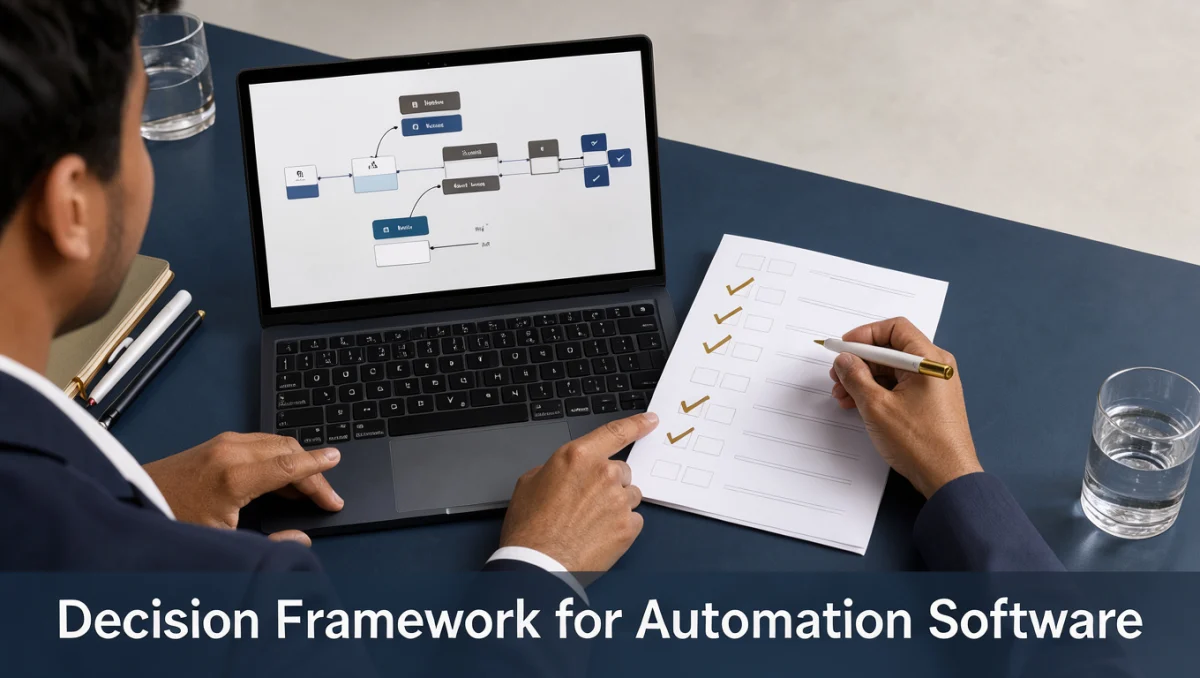
The operational complexity of marketing automation software depends on how your team structures campaigns and manages contact data. Both platforms require dedicated onboarding time, though the learning curve appears in different places.
Navigating the Workflow Canvas
Setting up workflows in ActiveCampaign requires understanding how tags, lists, and custom fields interact across marketing campaigns and deal boards. Because branching capabilities are deep, new users should plan their logic carefully to avoid loops or contradictory conditions. Teams used to basic email tools usually need time to adjust to multi-step logic.
Klaviyo offers a user experience centered on standard ecommerce playbooks. Merchants can launch foundational flows quickly because trigger logic matches common retail benchmarks. Mastering Klaviyo, however, means learning its data taxonomy, including how store metadata flows into message templates and how predictive customer metrics calculate over time.
Template Design and Content Assembly
Both platforms provide drag-and-drop template builders for responsive email. ActiveCampaign supports flexible content blocks, personalized dynamic fields, and conditional formatting based on recipient tags or demographic data.
Klaviyo tailors its content builder around catalog feeds, dynamic cart recreation blocks, and product recommendation grids. Retail staff can pull live inventory and pricing updates into campaigns without custom code.
6. Pricing and Total Cost of Ownership
Subscription costs for marketing automation platforms vary with audience size, message volume, and feature needs. Buyers should evaluate the billing structure rather than focusing only on starting rates.
Understanding Cost Drivers
Many vendors base pricing tiers on total active contacts, stored records, or monthly message allowances. When reviewing ActiveCampaign, confirm on the official plan comparison page how contacts are counted across lists, and verify whether sales pipeline functionality requires a specific plan or an add-on.
When evaluating Klaviyo, check the official pricing calculator for combined email and SMS sending allowances. Because Klaviyo charges by active profile count and transaction volume, retail brands with seasonal spikes should model how high-volume holiday periods affect monthly costs.
Operational Overhead and Maintenance
Beyond the base subscription, budget for list maintenance, template configuration, and integration upkeep. Many businesses hire an implementation specialist or agency to build complex branching rules, clean historic contact lists, and map webhooks accurately during setup.
7. Integrations and Ecosystem
Marketing platforms cannot work in isolation. They must ingest data from web forms, payment gateways, shopping platforms, appointment calendars, and analytics tools.
Software Compatibility Assessment
ActiveCampaign connects with a broad range of external applications, including web form plugins, learning management systems, appointment schedulers, membership software, and common customer support platforms. This makes it adaptable for educational academies, agencies, and consultancies running varied tech stacks.
Klaviyo maintains deep connections with major ecommerce platforms, point-of-sale systems, and retail review networks. Its architecture focuses on catalog inventory, customer checkouts, and shipping updates. If your business does not run an online shopping cart, you will find limited value in Klaviyo's retail-specific connectors.
Data Flow and Synchronization Requirements
Before committing, map the critical data fields your organization relies on daily. Confirm on the official documentation whether data syncs in real time or in scheduled batches, and verify whether custom field mapping needs third-party middleware or developer resources.
8. Audience and Business Model Fit
Choosing software that mirrors your business model removes operational bottlenecks and improves return on marketing effort. ActiveCampaign and Klaviyo serve fundamentally different organizational profiles.
When ActiveCampaign Serves Your Business Model
ActiveCampaign suits teams with multifaceted marketing and sales operations. Consider it if your daily workflow involves:
- Managing consultative sales cycles that need automated follow-ups alongside manual calls or proposals.
- Running membership sites, online courses, or client service agencies where contact engagement shapes service delivery.
- Qualifying inbound inquiries through lead scoring before assigning them to specific team members.
- Sending automated onboarding sequences triggered by appointment bookings, document submissions, or account milestones.
When Klaviyo Serves Your Business Model
Klaviyo suits companies focused on online consumer retail. Consider it if your daily workflow involves:
- Running an online storefront with physical or digital products managed through a product catalog.
- Automating messages triggered by abandoned carts, product page browsing, and post-purchase replenishment cycles.
- Segmenting audiences by purchase frequency, average order value, and lifetime spending.
- Coordinating unified email and SMS campaigns centered on promotional product launches.
9. Customer Support and Guidance
Access to technical assistance and reliable documentation matters when building complex automations or troubleshooting delivery problems.
Support Resources and Documentation
Both vendors provide extensive self-service knowledge bases, community forums, and training resources. Before purchasing, confirm on the official support pages which channels, such as live chat, ticket submission, or phone support, come with each subscription tier, and check their operating hours in your time zone.
Teams with specialized technical or compliance requirements should also review the official enterprise support terms to see whether dedicated account managers or onboarding help require a separate contract.
10. Competitive Position and Value
In the wider automation market, ActiveCampaign and Klaviyo are benchmarks in their respective niches. ActiveCampaign competes with HubSpot, Brevo, and Keap for service-oriented marketing automation. Its value lies in flexible customer journey automation and pipeline tracking without forcing users into a full enterprise suite.
Klaviyo competes with retail messaging systems such as Omnisend, Drip, and Mailchimp. Its advantage is specialized data synchronization for shopping carts, letting merchants run transaction-triggered campaigns without writing custom database scripts. The choice depends on whether your core revenue transaction is a digital retail checkout or a consultative relationship.
11. How to Decide Between ActiveCampaign and Klaviyo
Making a firm choice requires an honest audit of your current workflows, existing technical stack, and near-term growth goals. Follow these steps to reach an informed decision.
Step 1: Audit Your Primary Conversion Event
Identify the exact moment an inbound contact becomes a paying customer. If conversion happens through a digital cart checkout, Klaviyo provides the event architecture you need. If it happens through an agreement, consultation, custom invoice, or demo call, ActiveCampaign offers the relationship pipeline tools you need.
Step 2: Map Your Automation Complexity
Outline your ideal communication sequence on paper. If it involves branching rules based on internal lead stages, form submissions, and staff tasks, choose ActiveCampaign. If it follows only order placements, browse abandonment, and product category interests, Klaviyo handles the job efficiently.
Step 3: Calculate Your Multi-Channel Strategy
Determine whether your strategy requires integrated sales pipelines or focuses entirely on retail channels such as email and SMS. Check the official pricing calculators for both platforms to model audience growth and confirm the costs remain viable over the next twelve months.
12. Frequently Asked Questions
What should I budget for besides the base subscription?
Budget for list verification to clean historic records, professional template design, and third-party connectors if your custom web applications do not link directly. Allocating internal time or contractor budget for migration and onboarding prevents disruption to ongoing campaigns.
How do I know if my business needs a sales pipeline tool?
You need a sales pipeline tool if transactions involve personalized quotes, discovery calls, contract reviews, or manual follow-ups. If revenue comes entirely from automated self-service checkouts on a digital storefront, a traditional pipeline is unnecessary and retail messaging tools are the more efficient choice.
Can I migrate contact lists and historical data between these platforms?
Standard contact data, including email addresses, phone numbers, names, and custom text fields, transfers via export files. Dynamic automation histories, active workflow states, and platform-specific behavioral metrics rarely transfer across vendors, so teams must rebuild automation logic natively in the new platform.
What factors influence message deliverability across both platforms?
Deliverability depends on sending domain authentication, list hygiene, subscriber engagement, and content quality. Keeping lists clean by regularly removing inactive contacts and verifying DNS records supports strong inbox placement regardless of which provider you choose.
13. Final Verdict
ActiveCampaign and Klaviyo are both strong marketing platforms, but they serve fundamentally different operating frameworks. ActiveCampaign shines when managing complex customer journeys that connect automated messaging with sales pipelines, internal task assignments, and lead scoring. Klaviyo offers distinct advantages for online merchants who need real-time data flowing from product catalogs and shopping carts to drive repeat purchases.
| Criterion | Score / 10 | Reason |
|---|---|---|
| Features | 8.5 / 10 | Both platforms deliver rich workflow capabilities tailored to their target business models. |
| Ease of Use | 8.0 / 10 | Navigation requires onboarding discipline because of complex branching rules and detailed segmentation options. |
| Pricing and Value | 7.5 / 10 | Costs scale with contact and message volumes, so buyers should verify official tier thresholds carefully. |
| Integrations | 8.0 / 10 | ActiveCampaign connects broadly across business tech stacks, while Klaviyo provides specialized retail store connectivity. |
| Audience Fit | 8.5 / 10 | Each tool aligns closely with its intended audience, clearly separating B2B service workflows from B2C retail models. |
| Support | 7.5 / 10 | Documentation is thorough, while direct support channels depend on the selected tier. |
| Competitive Position | 8.0 / 10 | Each platform holds a strong standing within its sector of sales automation or retail communication. |
| Overall score | 8.0 / 10 | Average reflecting specialized design, functional depth, and clear operational utility across both tools. |
For service businesses, consultants, agencies, and mixed-model operations that need lead tracking, choose ActiveCampaign. For dedicated online retailers looking to maximize order value through automated cart and browse triggers, choose Klaviyo. Review your operational requirements and check current plan details on the official vendor websites before finalizing your decision.
Have questions about choosing the right platform for your stack? Send them to our editorial team through our contact page or connect with Trustreviewsx on our LinkedIn profile.