
Some links on this page may generate a commission for Trust Bench X when you purchase through them, at no extra cost to you. This does not influence our ratings.
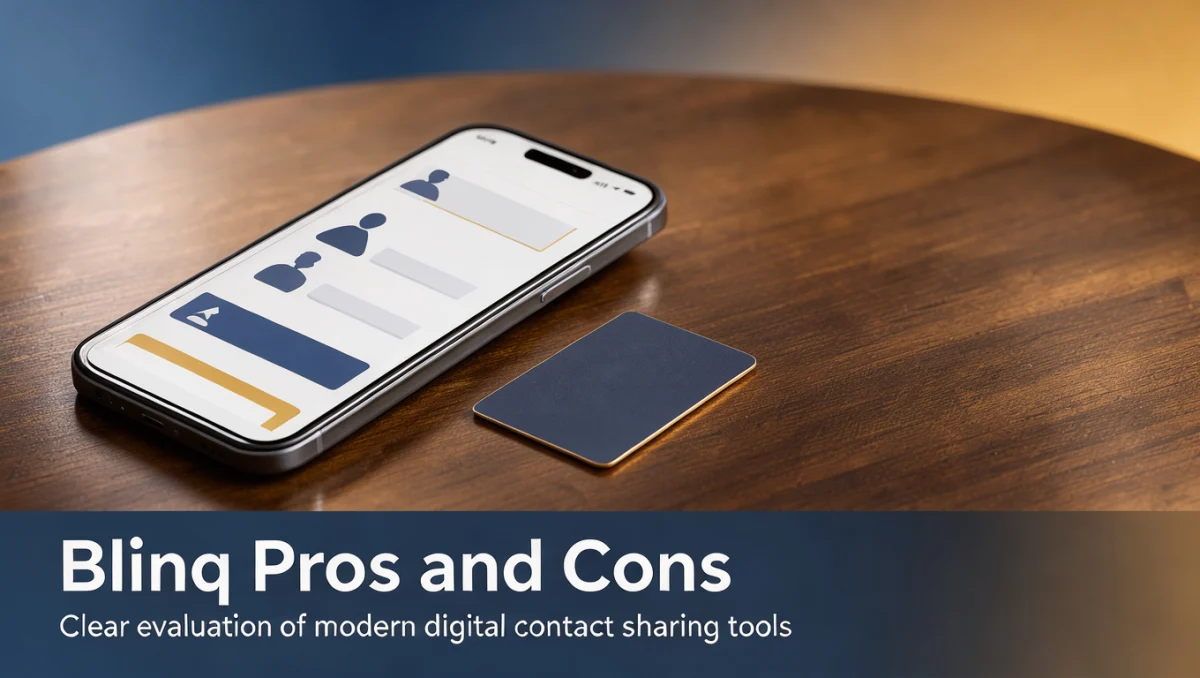
Anyone who wants to update paper business cards with digital contact exchange should weigh the blinq pros and cons carefully. Networking is steadily moving toward contactless introductions and centralized contact management, so professionals and teams need to judge whether a digital card platform suits their daily workflow. Trust Bench X offers this neutral assessment to help you decide whether Blinq belongs in your outreach strategy.
Digital card platforms swap printed stock for electronic exchange, letting people share contact information through dynamic links, scannable codes, and physical accessories. Assessing this category means looking at administrative controls, contact capture options, and how well the tool connects to other systems, so that sharing stays simple for both the sender and the recipient.
Quick verdict: Blinq scores 7.9/10 for its focused approach to digital networking and contact distribution. It fits individual networkers and client-facing teams who want modern ways to exchange contacts. It is less suitable for organizations that rely on traditional paper networking or that are unwilling to check their contact management setup before rolling it out.
| Evaluation Metric | Summary |
|---|---|
| Trust Bench X score | 7.9/10 |
| Best for | Professionals and distributed teams that want digital contact sharing |
| Not ideal for | Organizations committed only to traditional paper stationery exchanges |
| Key strengths | Digital contact distribution, interactive profile sharing, two-way contact exchange |
| What to check before buying | Confirm directory sync rules, export methods, and access permissions on the official Blinq website |
1. How Trust Bench X Reviewed Blinq
This review examines what Blinq is designed to do, who it serves, and how it compares with similar tools. We applied seven Trust Bench X criteria: features, ease of use, pricing and value, integrations, audience fit, support, and competitive position. Plans, prices, and limits change often, so we flag what to verify on the official website before purchasing. This article was researched and drafted with AI assistance, then reviewed and edited by the Trust Bench X Editorial Team.
2. Quick Summary of Strengths and Trade-offs
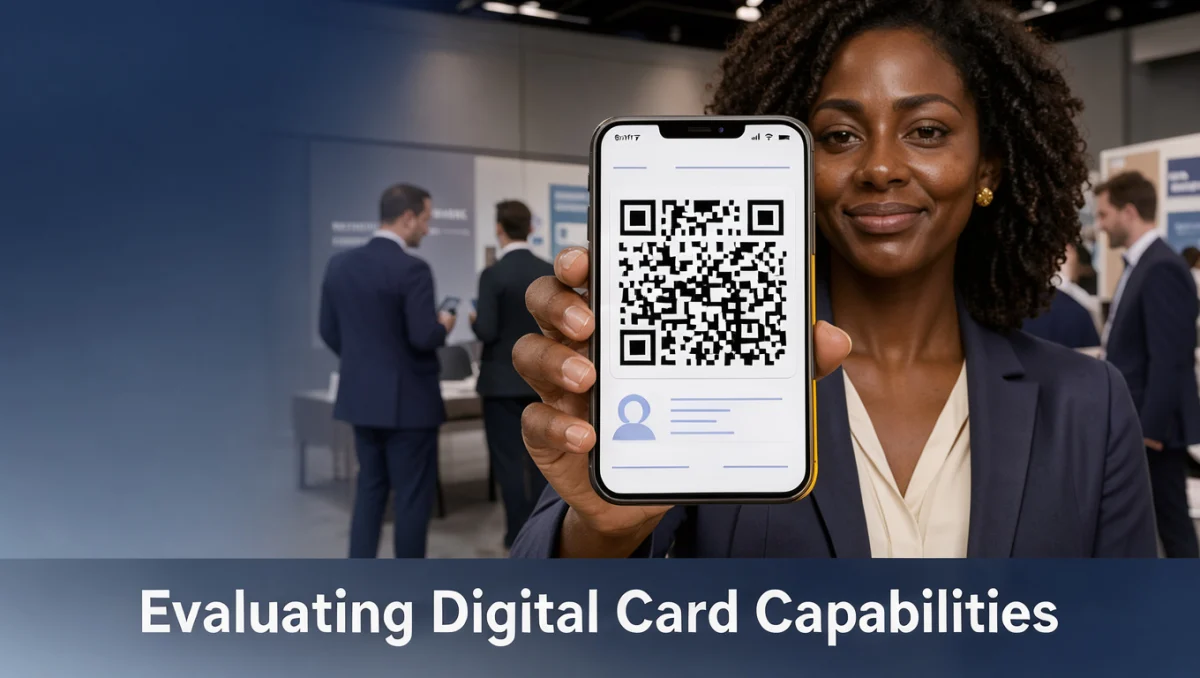
Modern identity sharing tools have to balance fast exchanges at live networking events with administrative control over corporate branding. This category removes the hassle of printing, reordering, and handing out paper cards each time a title, phone number, or address changes. Instead, professionals keep a living digital profile that updates whenever their details do.
When adopting digital card solutions within the wider set of collaboration and productivity tools, businesses should check how efficiently contacts move into follow-up workflows. Blinq concentrates on creating interactive professional cards, distributing them through several electronic touchpoints, and collecting contact details from prospects in return. Even so, teams should review governance controls and CRM connectivity before standardizing across large departments.
3. Pros of Blinq
Knowing where Blinq adds the most value helps buyers judge whether its core features match their regular networking needs.
Fast Contact Delivery
Blinq lets professionals share their contact identity instantly, without asking the recipient to install an app. Because recipients can view profiles in a standard mobile browser and save details straight into their native address book, introductions stay smooth and avoid awkward setup delays.
Unified Digital Identity Management
Keeping several communication channels current is simpler when every contact point lives in one digital card. Blinq supports phone numbers, email addresses, company websites, social profiles, and custom external destinations, so you can point prospects straight to your portfolio or calendar booking link.
Two-Way Contact Exchange
Good networking means capturing the other person's details as well as sharing your own. Blinq includes a built-in exchange feature that invites whoever views your card to submit their name, email, and notes back to you, which helps prevent lost connections after industry events.
Dynamic Information Updates
Paper cards go out of date the moment an office location, phone extension, or job title changes. With Blinq, cardholders update their professional details centrally, so anyone opening the card link later sees accurate, current information without reprinting anything.
4. Cons of Blinq and Practical Mitigations
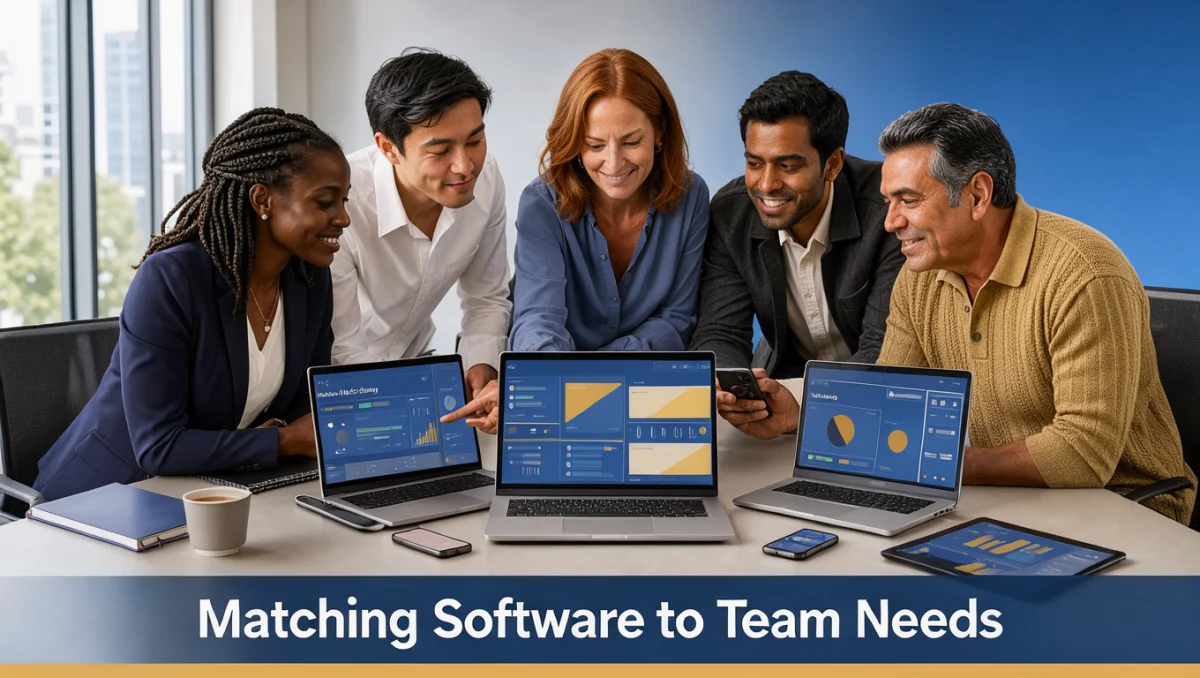
Every digital networking product involves trade-offs, especially around recipient comfort with technology, administrative controls, and system connections.
Reliance on Recipient Device Comfort
Digital cards require the other person to have a smartphone that can open links or read scannable codes. At some events, attendees avoid mobile technology or work under strict device policies, and in those settings digital sharing cannot fully replace hands-on exchanges.
Mitigation: Keep a secondary digital backup ready, such as an email signature banner or a direct electronic document, for people who prefer standard correspondence over scanning codes.
Organizational Governance Verification Needs
Rolling out digital cards across a whole enterprise requires central oversight of logos, color schemes, and legal disclaimers. Permission structures and brand-locking tools differ between subscription tiers, so administrators need to confirm that individual employees cannot publish off-brand material.
Mitigation: Check the official Blinq plan comparison page to confirm how template lockouts, administrative roles, and centralized directory controls work before deploying cards across multiple departments.
Contact Pipeline Export Configuration
Collecting contacts electronically adds little value if the data stays isolated in a standalone card dashboard. Teams that depend on enterprise sales pipelines need collected details to sync directly into their main customer records software.
Mitigation: Review the official Blinq integrations list and export options to see whether your sales database connects natively or requires manual file transfers to keep leads organized.
5. Summary Comparison Table of Pros and Cons
Setting the operational advantages beside the administrative considerations gives software buyers a balanced view.
| Operational Area | Key Advantage | Consideration and Mitigation |
|---|---|---|
| Contact Sharing | Instant distribution via scannable codes and web links | Check device compatibility expectations among your target event audiences |
| Lead Capture | Interactive reciprocal contact forms for recipients | Establish clear processes for exporting collected contacts into CRM software |
| Profile Maintenance | Central updates prevent outdated business stationery | Confirm template permissions to maintain strict brand standards across teams |
| Administrative Control | Consolidated directory management for cardholders | Verify administrative seat allocations on the official Blinq pricing page |
6. Who Should Use Blinq
Different professional roles and team structures gain different advantages, and face different challenges, when they move to digital contact exchange.
Freelancers and Independent Consultants
Solo professionals benefit from presenting an interactive, modern portfolio card that links straight to booking calendars and project galleries. Digital cards remove recurring stationery costs and project a tech-forward image in introductory meetings.
Small Business Owners and Boutique Agencies
Agency founders who pitch services at local mixers and industry meetups can capture prospect details on the spot. The reciprocal capture feature ensures client inquiries land in an organized contact log instead of getting buried on scattered paper cards.
Sales Professionals and Account Executives
Field representatives at high-volume conferences need to exchange details quickly while talking with dozens of prospects. Digital profiles speed up that interaction, but sales teams should confirm how collected leads export into company databases so follow-up stays efficient.
Groups That Should Consider Alternative Approaches
Organizations in strictly regulated environments that prohibit camera-based code scanning on corporate devices may find paper stationery or manual email exchanges more practical. Teams that require custom on-premise directory installations should also assess web-based card architectures carefully before standardizing.
7. Frequently Asked Questions
How does a digital business card work during in-person meetings?
A digital business card presents contact information through an interactive web profile that opens when someone scans a code or clicks a shared link. The recipient views the card on their phone and can download the contact file straight into their address book, which removes manual data entry.
What should buyers check regarding team administrative controls?
Buyers should confirm on the official Blinq website how administrators assign cards, lock brand templates, and revoke access when employees leave. Central administration keeps corporate branding consistent across all customer-facing staff.
Why is CRM compatibility an important evaluation factor?
Sales teams rely on central databases to nurture prospects and log touchpoints. If contact exchange software cannot send collected names and email addresses directly into the main CRM, staff must spend time copying contact records between systems by hand.
How do physical networking accessories complement digital profiles?
Physical accessories contain embedded near-field communication chips programmed to open the user's digital profile when tapped against a compatible smartphone. This gives a tactile alternative to scanning visual codes while sending prospects to the same dynamic digital card.
8. Final Verdict
Trust Bench X evaluates digital identity tools by looking at practical utility, software reliability, and operational transparency across each professional scenario.
| Criterion | Score /10 | Reason |
|---|---|---|
| Features | 8.0/10 | Offers comprehensive digital profile sharing, reciprocal contact capture, and custom links |
| Ease of Use | 8.5/10 | Simple profile creation and a clean recipient viewing experience without mandatory app downloads |
| Pricing and Value | 7.5/10 | Buyers should verify tier structures on the official Blinq website to evaluate seat costs |
| Integrations | 7.0/10 | Teams must confirm compatibility with their specific customer relationship management databases |
| Audience Fit | 8.5/10 | Strong alignment for individual networkers, field representatives, and modern small businesses |
| Support | 7.0/10 | Prospective users should review official support documentation and contact channels before purchase |
| Competitive Position | 8.5/10 | Stands as a dedicated digital business card specialist alongside broader identity platforms |
Overall Trust Bench X Score: 7.9/10
Blinq is a strong digital business card choice for solo consultants, modern sales reps, and growing teams that want to replace paper cards with dynamic, interactive contact sharing. Organizations planning wide adoption should verify their administrative hierarchy requirements and CRM sync procedures on the official Blinq website before signing up.
Questions about choosing the right software for your team? Send them to the Trust Bench X editorial team at Trust Bench X or follow our updates on LinkedIn.
See More Collaboration & Productivity