
Trustreviewsx may earn a commission when you buy through links on this page, at no extra cost to you. This does not affect our ratings.
ClickUp whats new queries show that modern organizations want transparent visibility into how project management software evolves before committing resources. Work management ecosystems change continuously, so understanding core design principles helps buyers differentiate temporary additions from structural improvements that support daily collaboration. At Trustreviewsx, our mission centers on evaluating software utility without relying on transient marketing claims or unverified promotional announcements.
Reviewing clickup whats new releases requires a structured framework that weighs team coordination, task tracking, and document organization against real workflow requirements. Modern project tools must balance deep configuration with everyday usability, making it essential to assess long-term fit before rolling out software across an organization.
Quick verdict: ClickUp scores 7.7/10 overall in our assessment. The platform is best for cross-functional teams and businesses seeking an adaptable workspace for tasks, project roadmaps, and documentation. It is not ideal for solo users or organizations wanting minimal setup complexity without maintenance overhead.
| Metric | Summary |
|---|---|
| Trustreviewsx score | 7.7/10 |
| Best for | Cross-functional departments wanting flexible task hierarchies and centralized documentation |
| Not ideal for | Operators seeking simple checklist tracking with zero administrative configuration |
| Key strengths | Adaptable view types, comprehensive task organization, and centralized workspace documentation |
| What to check before buying | Confirm user seat minimums, workspace storage thresholds, and update cadences on the official site |
1. How Trustreviewsx Reviewed ClickUp
This review looks at what ClickUp is built to do, who it serves, and how it compares with similar tools, using the seven Trustreviewsx criteria: features, ease of use, pricing and value, integrations, audience fit, support and competitive position. Plans, prices and limits change often, so we point out what to confirm on the official website before you buy. This article was researched and drafted with the help of AI tools, then reviewed and edited by the Trustreviewsx Editorial Team.
2. What is ClickUp and who is it for
ClickUp is a work management and productivity platform designed to consolidate project tracking, team communication, and personal organization into a single environment. Organizations adopt such platforms to replace disconnected spreadsheets, fragmented note applications, and isolated scheduling boards. By providing structured spaces, folders, lists, and individual tasks, the platform allows groups to coordinate ongoing deliverables alongside long-range planning.
The target audience includes product management teams, digital agencies, operational departments, and service businesses requiring clear project hierarchies. When considering software in the broader scope of Artificial Intelligence productivity solutions, buyers should prioritize tools that maintain reliable underlying architecture rather than chasing novelty. ClickUp appeals primarily to teams that value having documentation, milestone scheduling, and operational tracking reside inside one interconnected environment.
3. Core features and capabilities
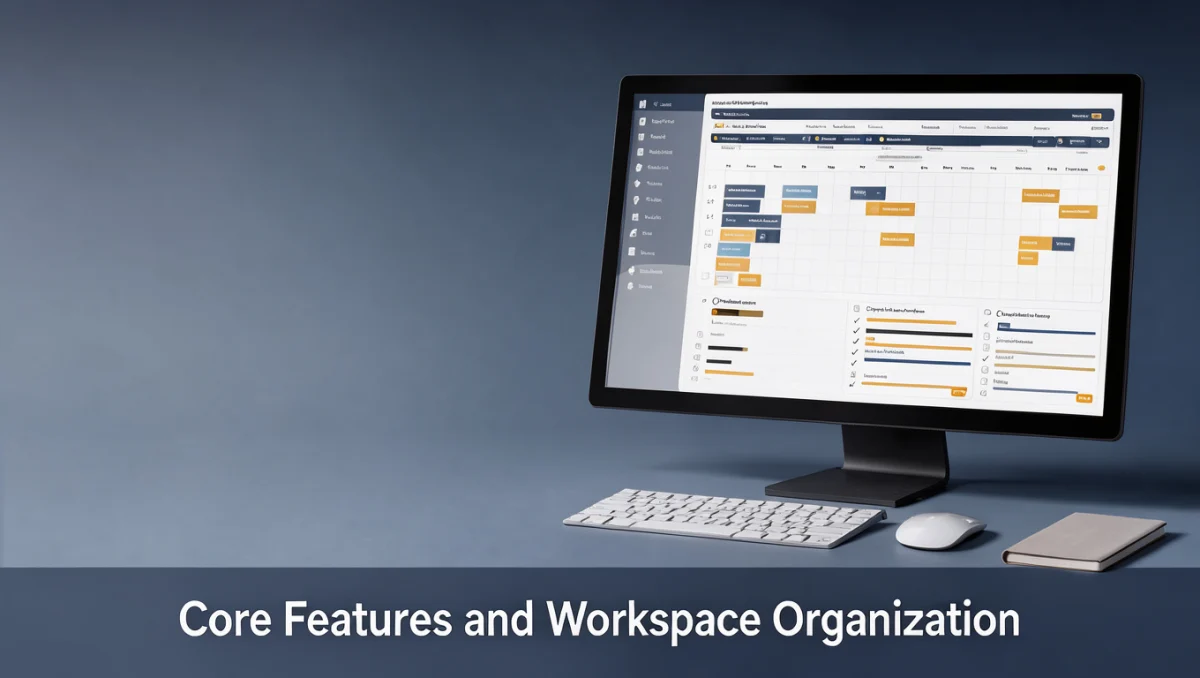
Productivity software platforms focus on centralizing operational activities so contributors spend less time locating project assets. ClickUp organizes work around several functional pillars that define modern project management systems.
Task management and execution
Task tracking forms the baseline of the software. Users assign responsibilities, configure due dates, establish priorities, and add contextual subtasks. Team members can establish relationships between dependent deliverables, ensuring that sequential work proceeds in order. Status tracking allows managers to monitor project progress across multiple operational stages without holding repetitive alignment meetings.
Flexible workspace views
Different departments require different perspectives on identical project data. The platform provides standard list arrangements for operational checklists, visual boards for agile workflows, timeline calendars for deadline tracking, and visual graphs for workflow dependencies. This multi-view architecture permits individual contributors to select their preferred working perspective without altering project structures for their colleagues.
Embedded documentation and collaboration
Centralized documentation enables teams to house guidelines, standard operating procedures, and project briefs alongside execution tasks. Embedded documents support collaborative editing, real-time notation, and direct task creation from text highlights. Keeping documentation connected to task lists reduces contextual switching and keeps project instructions accessible during active work cycles.
4. Ease of use and learning curve
Platforms that offer high degrees of customization inevitably require a deliberate orientation process. ClickUp allows administrators to configure custom fields, personalized task statuses, and tailored workspace permissions. While this adaptability accommodates distinct industry workflows, it introduces administrative complexity that smaller groups may find demanding.
New team members must understand the organizational hierarchy of spaces, folders, and lists before contributing effectively. Without internal governance and clear naming conventions, workspaces can accumulate duplicate fields and cluttered views. Organizations that succeed with the platform typically designate an internal workspace administrator to maintain structural discipline across all department folders.
5. Pros and cons
Evaluating any team collaboration software requires balancing operational advantages against everyday trade-offs. The points below summarize structural strengths alongside practical limitations.
Platform advantages
- Extensive customizability across views, statuses, and operational fields
- Native document creation tightly integrated with action items
- Flexible workspace hierarchy accommodating both small teams and larger departments
- Centralized oversight across multiple ongoing operational initiatives
Operational considerations
- Steeper onboarding curve compared to minimalist task list applications
- Configuration maintenance required to prevent workspace clutter
- Extensive feature sets may exceed the requirements of solo operators
6. ClickUp vs similar tools
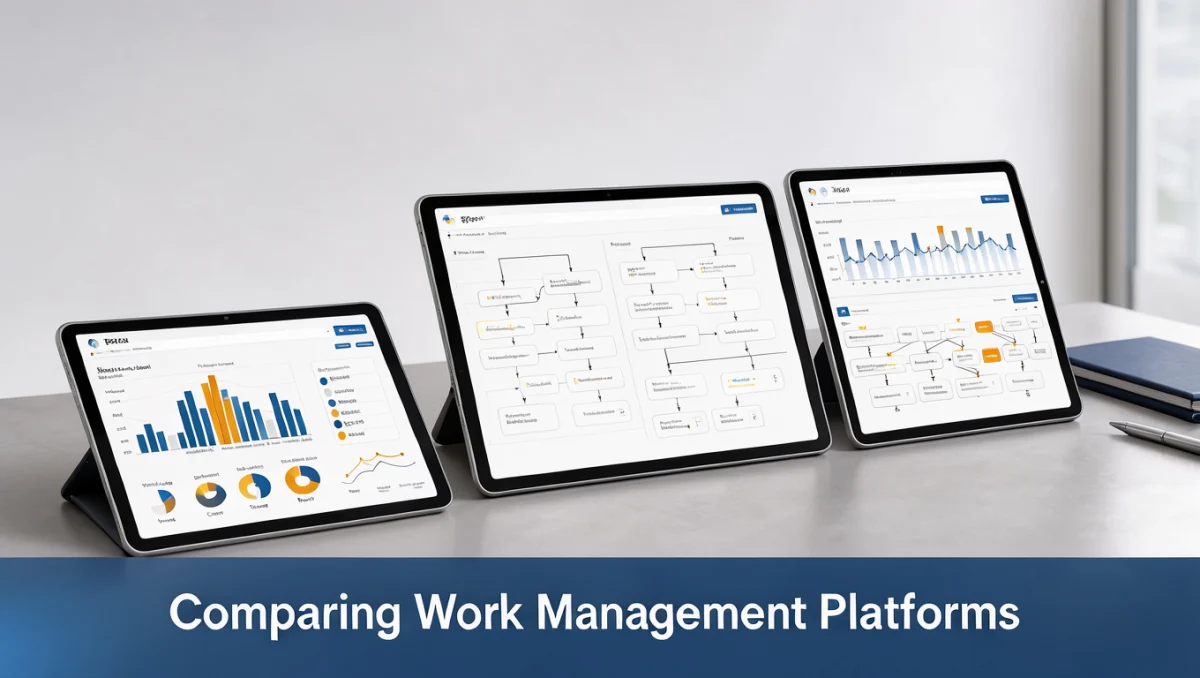
Understanding market alternatives helps buyers place software within the wider landscape of project management platforms. Direct competitors target distinct team priorities and organizational working styles.
| Platform | Target Audience | Structural Focus | Consideration Factor |
|---|---|---|---|
| ClickUp | Cross-functional teams | Highly customizable workspace hierarchy | Requires disciplined internal administration |
| Asana | Structured enterprise teams | Standardized workflow and project coordination | Favors established team structures |
| Monday.com | Visual workflow planners | Color-coded visual table management | Prioritizes board-driven visual tracking |
| Trello | Lightweight agile groups | Minimalist card-based kanban boards | Limited native document hierarchy |
Asana focuses heavily on clear organizational workflows and cross-departmental accountability, making it popular among teams with established project management frameworks. Monday.com emphasizes visual status boards and tabular project overviews that cater to teams transitioning away from spreadsheets. Trello emphasizes simple kanban card organization designed for rapid setup and immediate task movement. ClickUp positions itself as an all-inclusive workspace that consolidates features found across these disparate systems, which provides flexibility but demands deliberate setup.
7. Who should use ClickUp
Selecting software requires aligning organizational working habits with platform architecture. Different user segments derive varying value from the system.
Freelancers and independent professionals
Freelancers who coordinate complex deliverables for multiple clients can use separate spaces to keep client projects isolated. However, independent operators who only need simple reminder checklists may find the structural overhead disproportionate to their daily tracking needs.
Small business owners
Small business operators benefit from consolidating operational documentation, client task tracking, and internal roadmaps in one place. Using a single tool reduces the need to purchase separate subscriptions for notes, scheduling, and project tracking, provided the business commits time to initial workspace configuration.
Marketing and creative teams
Creative departments managing content schedules, campaign deadlines, and design asset reviews benefit from switching between calendar, board, and list views. Centralized project briefs keep creative assets linked directly to revision tasks and final delivery dates.
Corporate departments
Departmental managers who oversee cross-functional initiatives can track milestone dependencies across teams. Detailed permission controls allow external partners or contractors to access specific project lists without viewing broader company initiatives.
Groups that should seek alternatives
Teams that desire zero setup configuration or individuals seeking basic personal reminders are better served by lightweight task managers. Organizations lacking the bandwidth to establish workspace rules often experience organizational friction in highly configurable platforms.
8. How to choose the right plan
Software vendors structure subscription tiers to match distinct stages of organizational growth. To select the appropriate tier, buyers must evaluate operational needs against vendor restrictions.
| What to check on official pricing pages | Why it matters for your budget |
|---|---|
| Workspace storage allocations | Prevents unexpected file attachment limits as projects grow |
| Custom field creation caps | Ensures teams can structure data without hitting plan limits |
| Advanced view accessibility | Confirms timeline and workload views are included in the chosen tier |
| Guest collaborator rules | Determines ongoing expenses when working with outside clients |
| Administrative security controls | Protects sensitive client data through granular access permissions |
Buyers should audit their actual user count and collaboration habits before upgrading. Choosing a plan based on current project requirements rather than anticipated future needs keeps operational software budgets predictable.
9. Frequently asked questions
How should buyers evaluate platform update announcements
Evaluating software announcements requires distinguishing cosmetic interface adjustments from foundational infrastructure improvements. Buyers should review official changelog documentation to verify whether updates improve core stability, export flexibility, and day-to-day navigation. Testing modifications within non-critical sandbox projects ensures that operational changes do not disrupt ongoing client deliverables.
What hidden expenses should teams budget for
Budgeting for work management software extends beyond the base monthly seat subscription. Teams should account for administrative configuration time, internal training hours, and potential consulting assistance during initial deployment. Organizations should also verify whether guest permissions require paid seats when collaborating with external partners.
When is a simpler task management tool preferable
Simpler task applications are preferable when teams execute straightforward, linear projects that require minimal cross-departmental coordination. If team members only need deadline reminders and checklist completion, deploying an extensive project hierarchy introduces unnecessary administrative friction that can reduce software adoption rates.
How can organizations prevent workspace clutter
Preventing workspace disorganization requires establishing internal governance guidelines before team onboarding begins. Designating a primary workspace administrator, creating standard list templates, and limiting custom field generation preserves structural clarity across all organizational spaces.
10. Final verdict
ClickUp provides a flexible, capable environment for organizations seeking to unify task execution, scheduling perspectives, and internal documentation. The platform provides extensive configuration options that allow diverse departments to collaborate within a shared structure. However, this flexibility requires deliberate administration to prevent workflow complexity from hindering daily productivity.
| Evaluation Criterion | Score /10 | Assessment Summary |
|---|---|---|
| Features | 8.5/10 | Broad functional coverage encompassing tasks, views, and integrated documentation |
| Ease of Use | 7.0/10 | Steep onboarding curve requiring internal governance to manage interface density |
| Pricing and Value | 7.5/10 | Buyers should verify seat minimums and feature allocations on the official site |
| Integrations | 7.5/10 | Confirm critical third-party connections directly on vendor documentation pages |
| Audience Fit | 8.5/10 | Well matched for teams needing customizable, multi-perspective project tracking |
| Support | 7.0/10 | Confirm available contact channels and response terms on official support pages |
| Competitive Position | 8.0/10 | Strong functional breadth against direct rivals like Asana and Monday.com |
Overall Trustreviewsx score: 7.7/10
For independent software comparisons and objective evaluations, explore research published by Trust Reviews X to select tools matching your operational needs. Readers seeking personalized recommendations or clarification regarding software selection criteria are invited to contact our team directly through https://trustbenchx.com/contact/ or follow Trustreviewsx on LinkedIn via https://www.linkedin.com/company/trustreviewsx/.