
Trustreviewsx may earn a commission when you buy through links on this page, at no extra cost to you. This does not affect our ratings.
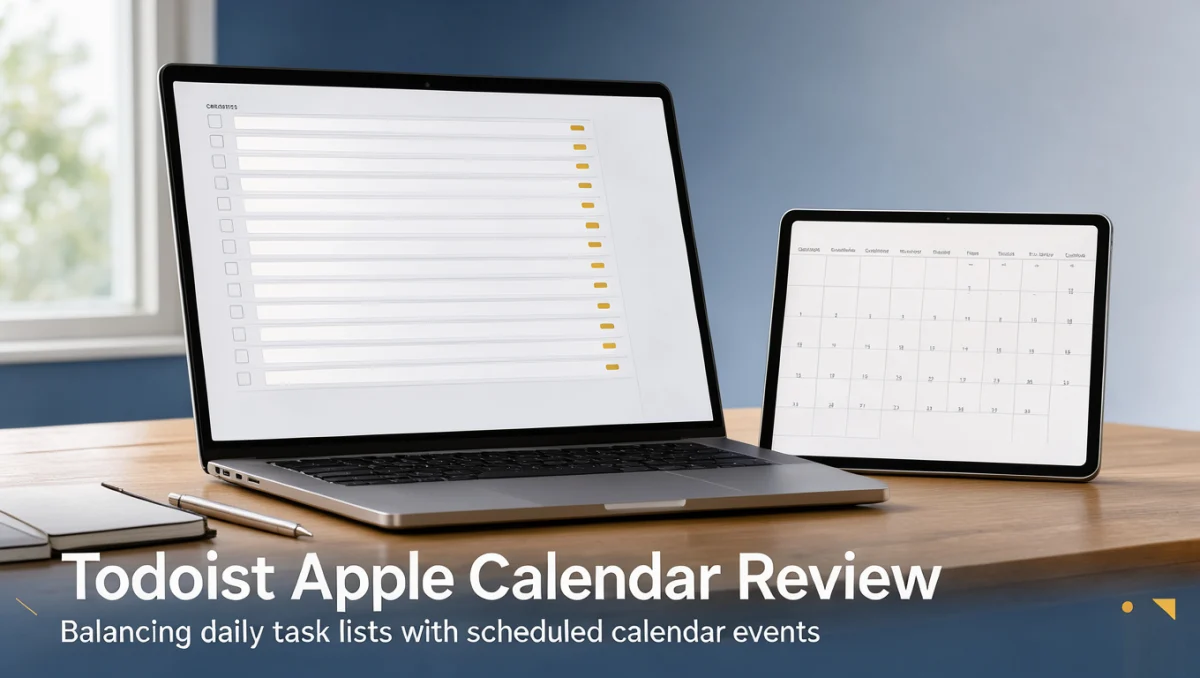
Todoist Apple Calendar setups allow individuals and teams to bridge actionable task lists with scheduled calendar events across their daily routines. Software shoppers researching a todoist apple calendar workflow frequently need to coordinate deadlines, recurring obligations, and project milestones without double-booking their working hours. At Trustreviewsx, software evaluations prioritize clear operational boundaries, factual assessment, and practical purchasing advice over promotional claims.
Managing tasks alongside a calendar schedule provides visibility into what needs completion versus the time available to complete it. Task management platforms solve the problem of organizing personal errands, client deliverables, and collaborative projects, while calendar utilities map those commitments into specific time windows. Prospective buyers should evaluate how cleanly their scheduling habits align with structured list tracking before committing to an ongoing subscription.
Quick verdict: Earning an overall score of 8.1 out of 10, a Todoist Apple Calendar workflow serves busy professionals, freelancers, and project managers who want structured task organization paired with clean schedule awareness. It is not suitable for organizations seeking native enterprise resource planning or complex multi-tier project portfolios without external utility coordination.
| Evaluation Dimension | Summary Assessment |
|---|---|
| Trustreviewsx score | 8.1 / 10 |
| Best for | Professionals and teams organizing task lists alongside daily schedule commitments |
| Not ideal for | Organizations wanting built-in enterprise resource planning and unified finance management |
| Key strengths | Organized task hierarchies, date assignment, recurring schedules, and multi-device organization |
| What to check before buying | Confirm on the official vendor website which subscription tiers include calendar feed sharing and synchronization capabilities |
1. How Trustreviewsx Reviewed Todoist
This review looks at what Todoist is built to do, who it serves, and how it compares with similar tools, using the seven Trustreviewsx criteria: features, ease of use, pricing and value, integrations, audience fit, support and competitive position. Plans, prices and limits change often, so we point out what to confirm on the official website before you buy. This article was researched and drafted with the help of AI tools, then reviewed and edited by the Trustreviewsx Editorial Team.
2. What Todoist is and who it is for
Todoist is a dedicated task management application designed to help individuals, freelancers, and working teams capture, organize, and prioritize daily work. Developed by Doist, the application focuses on converting incoming thoughts, action items, and project milestones into manageable, trackable lists. When paired with calendar tools like Apple Calendar, it provides a bridge between what needs doing and the time slots reserved on a calendar grid.
The platform serves knowledge workers, project coordinators, educators, and creative freelancers who require structural control over complex personal and professional task loads. Buyers seeking broader productivity solutions within the Collaboration & Productivity space often compare standalone list managers against broad office suites to determine whether focused task architecture delivers superior focus. For those whose daily schedules live on personal calendars, evaluating how tasks interact with chronological events forms a core buying requirement.
3. Core features and calendar coordination
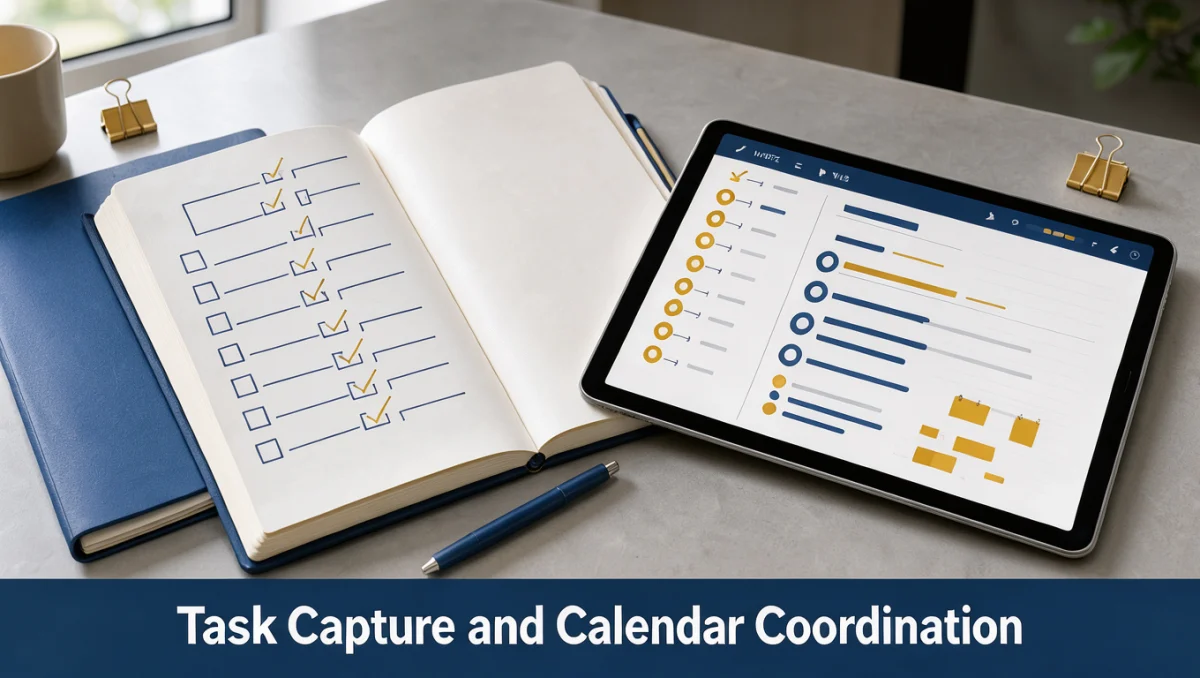
Understanding task management software requires examining its structural mechanics. Task management platforms fundamentally address list creation, deadline scheduling, categorization, and progress monitoring across individual or shared workstreams.
3.1. Task capture and natural language parsing
Task creation workflows allow users to type action items rapidly, automatically parsing dates, priorities, and recurring patterns from typed phrases. In practice, writing a deadline within a task title converts that item into an active commitment tied to a specific target date. This capability reduces manual clicking and keeps administrative overhead low during busy workdays.
3.2. Project organization and sub-task hierarchies
Organizing tasks into distinct projects, sections, and indented sub-tasks provides spatial clarity. Teams can group client deliverables into separate boards or lists, while individual users can segment personal responsibilities from work objectives. Sub-tasks allow complex initiatives to break down into sequential actions, ensuring that each phase remains actionable.
3.3. Recurring schedules and calendar event mapping
Recurring task features handle obligations that repeat daily, weekly, monthly, or on specific cycle patterns. When these dates synchronize with external calendar applications, scheduled items can appear alongside appointments and conference calls. Software shoppers should verify on the official vendor documentation how external calendar feeds display recurring tasks, as refresh frequencies can vary across external calendar clients.
3.4. Priority levels, labels, and custom filters
Assigning priority markers and custom tags allows users to slice their task lists according to context, urgency, or required energy. Custom filters let professionals generate dedicated views, such as tasks due today or urgent work tied to a specific client tag. This keeps critical obligations visible before calendar blocks elapse.
4. Ease of use and learning curve
The user interface emphasizes minimalistic design, keeping screen clutter low so users can focus on their list of obligations. Adding a new task requires minimal keystrokes, and navigation menus remain straightforward for beginners who want immediate organization without extensive software training.
The learning curve remains gentle for basic checklist management, though mastering nested filters, label conventions, and external calendar subscriptions requires deliberate setup. Users unfamiliar with calendar feed URLs or synchronization settings may need to consult help resources to align refresh intervals between their task lists and calendar views.
5. Pros and cons
Every software configuration comes with operational trade-offs that prospective buyers must weigh against their daily operational workflow.
5.1. Advantages
- Clean interface that keeps daily tasks front and center without unnecessary visual distractions.
- Flexible natural language input that translates typed dates into scheduled task reminders.
- Hierarchical project structuring with sections and nested sub-items for layered project tracking.
- Cross-environment availability that allows task reviews across desktop and portable setups.
5.2. Limitations
- External calendar feeds can experience synchronization latency depending on third-party calendar refresh intervals.
- Lacks built-in spreadsheet, document authoring, or accounting components found in broader operational platforms.
- Advanced sharing controls and activity history may be restricted, requiring teams to verify tier specifications on the official vendor website.
6. Todoist vs similar tools
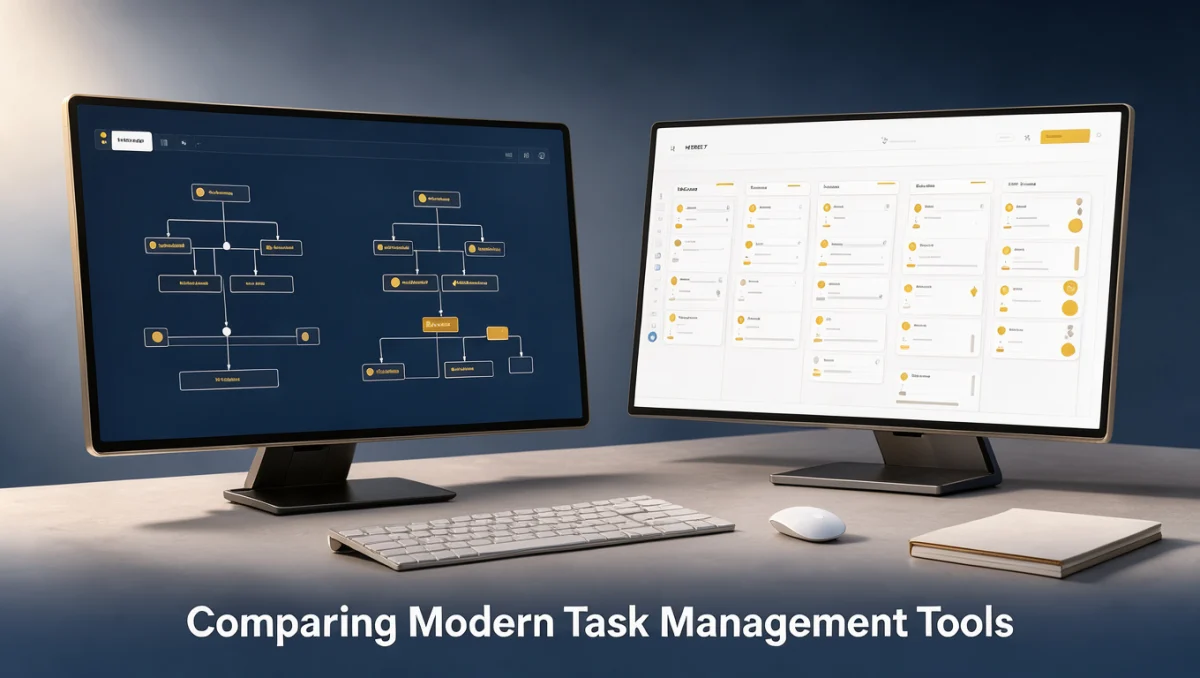
Task management buyers frequently compare options across the software landscape to determine which tool aligns with their specific operational focus.
6.1. Comparison with TickTick
TickTick provides task tracking with an emphasis on built-in calendar view grids, habit tracking, and timer mechanisms. While TickTick incorporates native time-blocking views within its application interface, Todoist concentrates on structured list organization, natural language input, and flexible project filtering. Prospective buyers wanting an all-in-one timer and built-in calendar grid may prefer TickTick, whereas buyers valuing minimalist task architecture and mature ecosystem connections often lean toward Todoist.
6.2. Comparison with Asana
Asana targets medium to large organizational teams requiring multi-stage workflow management, dependency tracking, and cross-departmental portfolio dashboards. In contrast, Todoist focuses on lightweight task execution for individuals, freelancers, and compact teams. Organizations with heavy project governance requirements often find Asana more suited to project oversight, while professionals seeking straightforward daily personal productivity find Todoist faster to deploy.
6.3. Comparison with Any.do
Any.do integrates daily agenda planning with reminders, focusing heavily on mobile daily planners and calendar pairing. Todoist delivers deeper project nesting, filtering logic, and custom tag hierarchies. Teams needing structured project delegation generally find Todoist more adaptable to multi-step work breakdown structures.
7. Who should use Todoist
Selecting the right productivity software depends heavily on operational role, team composition, and day-to-day scheduling complexity.
7.1. Freelancers and solo consultants
Independent professionals managing multiple clients benefit from separating deliverables into dedicated projects while mapping critical deadlines to personal calendars. The ability to color-code priorities and assign specific dates keeps solo operators from missing client milestones.
7.2. Small business owners and department managers
Leaders directing small teams can assign responsibilities, track completion dates, and monitor project stages without cumbersome administrative overhead. It provides a shared task framework without demanding weeks of employee onboarding.
7.3. Knowledge workers and office staff
Corporate employees juggling meetings and administrative obligations can use task lists to capture action items arising from conferences and email threads. Pairing these items with a personal calendar ensures actionable follow-ups do not get lost between scheduled appointments.
7.4. Students and academic researchers
Students tracking assignments, exam schedules, and research milestones can structure coursework by semester and subject. Recurring tasks assist with routine reading assignments and weekly study habits.
7.5. Who should look elsewhere
Organizations needing integrated billing, timesheet invoicing, or complex Gantt chart dependency calculations will find standalone task managers insufficient. Teams requiring comprehensive enterprise resource planning should explore specialized project portfolio platforms instead.
8. How to choose the right plan
Task management platforms commonly offer multiple tiers ranging from introductory individual access to expanded team collaboration environments. Because software vendors revise plan contents and seat thresholds, buyers should confirm all limits on the official vendor website before subscribing.
| What to check on the official plan comparison page | Why it matters for your workflow |
|---|---|
| Calendar feed and bi-directional synchronization permissions | Determines whether task dates reflect in external calendar software and how quickly updates transfer |
| Active project and task allocation limits | Ensures ongoing client and personal workloads do not exceed allowable organization boundaries |
| Team collaboration and user seat permissions | Dictates how many collaborators can share projects, assign tasks, and review comments |
| File attachment and media upload allowances | Affects whether project briefs, reference PDFs, and assets can attach directly to tasks |
| Activity log and historical recovery windows | Ensures teams can audit completed work or retrieve accidentally deleted project lists |
Buyers can read independent software evaluations published by Trust Reviews X to balance software capabilities against budgetary allocations before making purchasing commitments.
9. FAQ
9.1. How does a task manager differ from a digital calendar?
A task manager organizes action items by project, priority, and completion status, focusing on what needs to be accomplished. A digital calendar reserves specific blocks of time during the day, focusing on when events and appointments occur. Using both together ensures that actionable to-do items fit realistically within available daily working hours.
9.2. What should buyers check regarding calendar synchronization speed?
Software shoppers should verify whether their chosen calendar connection relies on periodic calendar feed subscriptions or instant real-time synchronization protocols. Standard subscription feeds often update according to the calendar client schedule, which can introduce delays between rescheduling a task and seeing that change reflected on your personal agenda.
9.3. When should a team upgrade to a collaborative workspace plan?
A team should consider upgrading when multiple contributors need shared access to project boards, task assignment delegation, centralized administrative billing, and shared template libraries. Individual plans focus on personal task loads, whereas team tiers provide administrative oversight and consolidated project management across multiple user accounts.
9.4. How should professionals handle recurring tasks across external calendars?
Professionals should confirm how the task application formats repeating deadlines when publishing feeds to external calendar programs. Some calendar clients display only the next upcoming instance of a recurring task, while others map repeating patterns across future weeks, which directly affects long-term calendar visual clarity.
9.5. What factors dictate whether a standalone task app fits your business?
Teams should evaluate whether their existing software stack already includes adequate task assignment modules within their email or project suites. If current tools lack flexible tagging, mobile capture, or intuitive list sorting, adopting a dedicated task management application can improve team execution speed and deadline adherence.
10. Final verdict
| Criterion | Score /10 | Reason |
|---|---|---|
| Features | 8.8 | Extensive list management, rapid natural language input, recurring schedules, and flexible filtering logic. |
| Ease of Use | 9.0 | Clean, clutter-free user interface with minimal learning curve for creating and sorting daily tasks. |
| Pricing and Value | 8.0 | Subscription tiers provide functional scaling, though buyers must verify current plan details on the official pricing page. |
| Integrations | 7.5 | Supports external calendar connections, but synchronization timing depends on external calendar feed refresh rates. |
| Audience Fit | 8.5 | Well suited for freelancers, knowledge workers, and small teams needing structured personal productivity. |
| Support | 7.0 | Buyers should verify official vendor support channels and documentation resources before deploying across large groups. |
| Competitive Position | 8.2 | Maintains strong standing against specialized productivity tools through fast input and focused list design. |
Overall score: 8.1 / 10
For freelancers, knowledge workers, and collaborative teams seeking structured daily clarity, combining Todoist with a personal calendar provides a dependable framework for tracking deadlines and managing daily agendas. Organizations requiring native time-tracking, billing, or enterprise project governance should inspect broader business management systems to fulfill those operational needs.
Readers with questions regarding software selections or workflow configurations are invited to submit inquiries through https://trustbenchx.com/contact/ or follow Trustreviewsx on LinkedIn via https://www.linkedin.com/company/trustreviewsx/ for ongoing productivity software analyses.