
Trustreviewsx may earn a commission when you buy through links on this page, at no extra cost to you. This does not affect our ratings.
ActiveCampaign pricing represents a critical investment decision for businesses seeking marketing automation, contact management, and structured customer journeys. Evaluating software expenditures requires balancing functional depth against recurring operational overhead, especially as contact lists expand over time. At Trust Reviews X, our evaluation framework inspects how automation systems serve team workflows without relying on temporary marketing claims or hidden subscription variables.
Choosing the right subscription level requires understanding how marketing platforms scale their tiers across contact thresholds, feature access, and team seat allocations. Rather than guessing which tier suits your pipeline, buyers must analyze their immediate contact numbers, automation complexity, and integration demands. This guide details how pricing structures operate across the platform landscape to assist your final procurement decision.
Quick verdict: With an overall rating of 7.9/10, ActiveCampaign serves marketing teams and growing commercial organizations that require advanced customer journey automation, multi-stage pipeline management, and detailed contact tracking. It is less suitable for solo operators or casual senders who merely need occasional broadcast messages and simple newsletter templates without intricate branching logic.
| Metric | Details |
|---|---|
| Trustreviewsx score | 7.9/10 |
| Best for | Growing marketing teams requiring multi-stage automation workflows and structured contact tracking |
| Not ideal for | Occasional email senders and solo creators who require simple broadcast newsletters without logic trees |
| Key strengths | Advanced automation builder, integrated contact record management, and targeted customer segmentation |
| What to check before buying | Contact threshold tiers, seat allocations, and renewal terms on the official pricing page |
1. How Trustreviewsx Reviewed ActiveCampaign
This review looks at what ActiveCampaign is built to do, who it serves, and how it compares with similar tools, using the seven Trustreviewsx criteria: features, ease of use, pricing and value, integrations, audience fit, support and competitive position. Plans, prices and limits change often, so we point out what to confirm on the official website before you buy. This article was researched and drafted with the help of AI tools, then reviewed and edited by the Trustreviewsx Editorial Team.
2. How ActiveCampaign pricing works
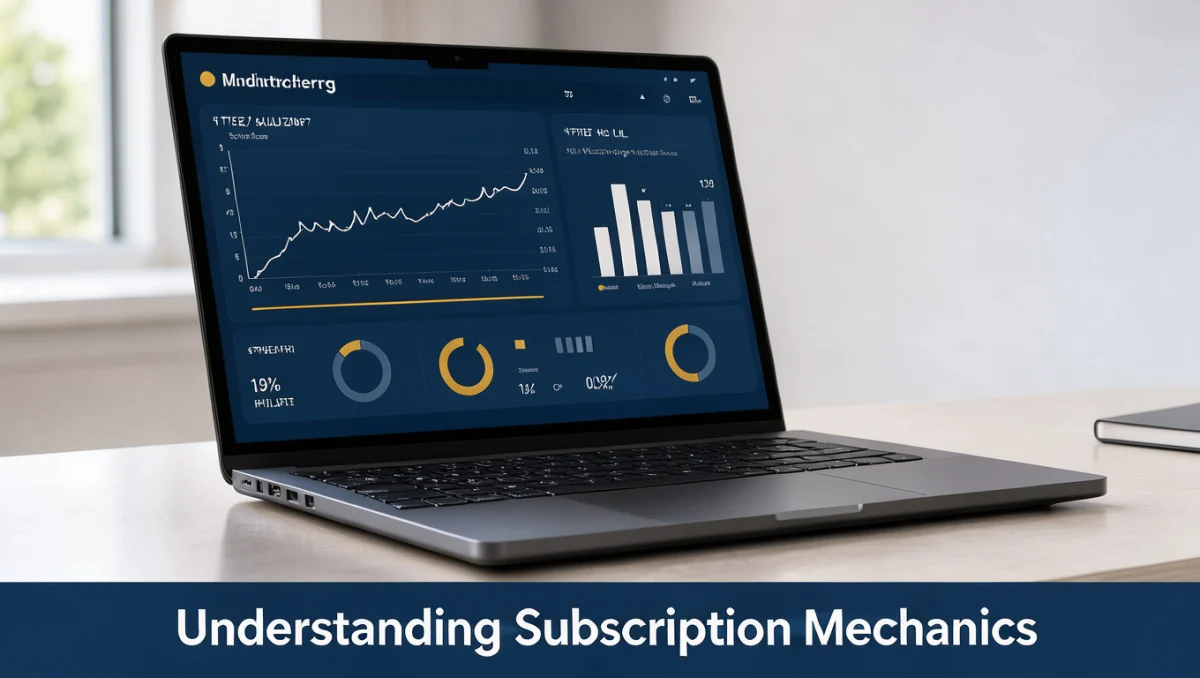
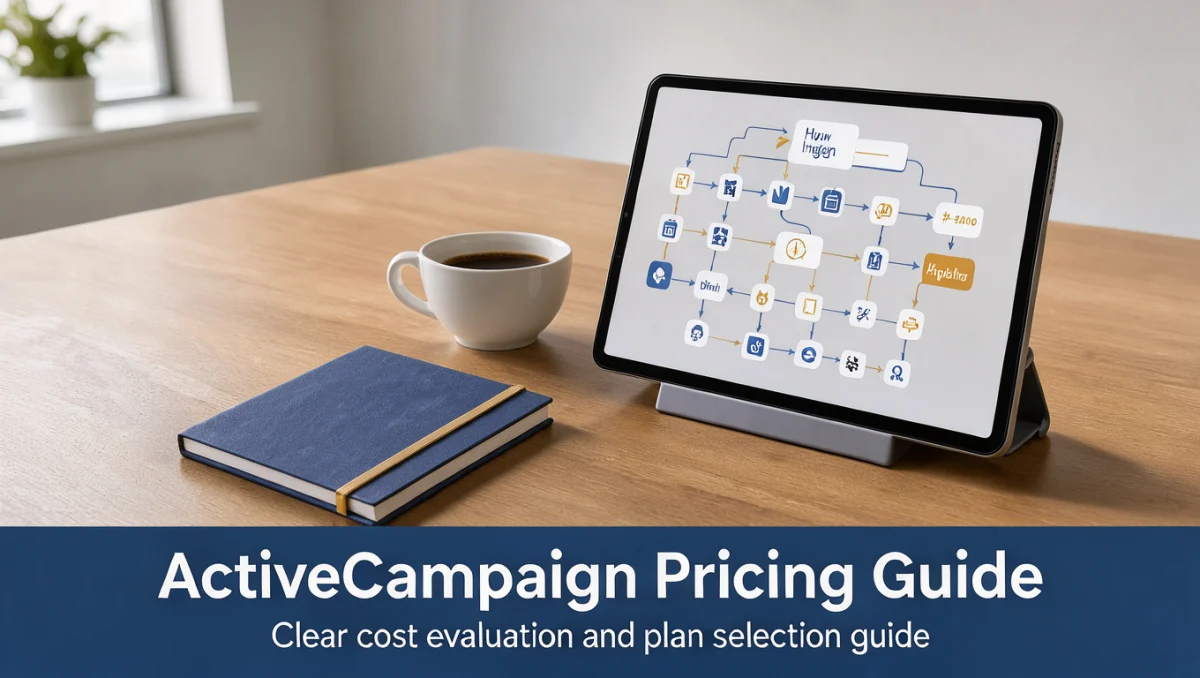
Understanding ActiveCampaign pricing begins with its underlying commercial framework. The platform functions as a software-as-a-service subscription that scales primarily according to contact list volume and feature grouping. Organizations select a tier based on the sophistication of their marketing automation workflows, then adjust their subscription tier based on the number of active records stored inside their database.
Subscription software in the email and marketing automation category generally adopts tiered subscription models. Providers structure these options into multiple levels, progressing from foundational campaign dispatching to complex multi-channel automation and sales pipeline synchronization. Buyers pay on recurring billing cycles, typically structured as monthly commitments or annual agreements that offer discounted effective rates.
Because contact database sizes fluctuate as lead generation campaigns progress, subscription costs adjust whenever an account crosses designated contact thresholds. Marketing leaders should review the official ActiveCampaign pricing page directly to verify current contact bands, because moving across specific list milestones shifts recurring operational expenses into higher brackets.
3. What drives your total cost
Software acquisition costs rarely stop at base platform access fees. Marketing platforms introduce several financial variables that buyers must calculate before signing agreements or committing annual budgets. Factoring these elements into your initial financial model prevents unexpected mid-cycle budget adjustments.
- Contact Volume Milestones: Marketing automation platforms calculate billing primarily by active or stored subscriber records. Crossing a subscriber tier triggers immediate tier escalations, making regular database hygiene and unengaged subscriber pruning essential.
- Team Seat Allocations: Multi-user marketing departments often encounter user seat caps. Additional administrative seats, campaign builder logins, or sales representative accounts may require plan upgrades or separate seat licensing fees.
- Advanced Automation and Segmentation Access: Sophisticated marketing platforms reserve custom reporting, predictive segmentation, and advanced attribution models for upper subscription packages.
- Database Cleansing and Ingestion Costs: Migrating existing customer lists, re-verifying address validity, and setting up technical domain authentication require staff hours or specialized external services.
- Transactional Messaging Needs: High-volume operational alerts, password reset dispatches, and order confirmations often require dedicated infrastructure or separate billing arrangements from standard promotional campaigns.
Teams exploring tools in the broader Marketing technology space should assess their complete operational expenses rather than viewing base subscription rates in isolation. Evaluating these elements alongside staff training requirements ensures realistic software budget allocations.
4. Checklist before you pay
Before committing financial resources to an automation platform, procurement teams must verify critical parameters against their operational roadmap. The following checklist highlights structural items to validate directly on the vendor portal.
| What to check on the official pricing page | Why it matters | Who it matters most for |
|---|---|---|
| Contact list band increments | Moving past a subscriber cap alters recurring monthly charges automatically | High-velocity lead generation teams and retail stores |
| Account seat limits | Adding campaign managers or sales reps could force unexpected tier upgrades | Collaborative teams and growing multi-person agencies |
| Billing commitment flexibility | Switching between monthly and annual terms affects cash flow and discount options | Startups and seasonal companies managing cash runways |
| Included data history retention | Campaign reporting and contact activity history depth vary across tiers | Analytics teams tracking long sales conversion cycles |
| Pipeline and CRM workflow access | Aligning sales pipeline tracking with automated marketing depends on tier inclusion | B2B companies operating unified sales and marketing funnels |
Checking each item against your actual usage projections prevents unexpected cost escalations. Documenting your current contact counts, user requirements, and desired reporting depth enables accurate comparison across available package options.
5. Which type of plan fits which business

Software buyers must match their operational maturity with appropriate subscription capabilities. Choosing a plan that exceeds your team execution capacity leads to wasted software spend, while selecting an underpowered tier creates operational bottlenecks.
5.1. Solopreneurs and early-stage ventures
Early-stage operations primarily require consistent customer communication, fundamental email list collection, and simple welcome sequences. Teams at this developmental stage should check whether foundational tiers include core newsletter templates and direct tag-based segmentation without demanding technical automation logic. If your contact database remains modest, maintaining lean overhead takes precedence over multi-branch automation journeys.
5.2. Expanding commercial teams
Growing organizations generally require multi-step nurturing paths, behavioral triggers, and integrated pipeline management. Buyers managing established customer pipelines must confirm where deal tracking, lead scoring, and automated task assignments sit on the official ActiveCampaign plan comparison page. When coordinating marketing campaigns with direct sales follow-ups, investing in tiers that bridge marketing triggers with sales pipelines delivers measurable workflow efficiency.
5.3. High-volume and multi-channel organizations
Enterprise-scale organizations manage extensive contact records, complex customer lifecycle journeys, and stringent data governance requirements. Buyers in this category should verify how custom user permissions, single sign-on capabilities, and dedicated database throughput are provisioned across top-tier packages. Reviewing service response agreements and data governance provisions directly with platform sales representatives ensures the subscription matches institutional governance standards.
6. How to keep software costs down
Controlling software expenditures requires deliberate administrative discipline. Unmonitored contact lists and neglected subscriber hygiene inflate subscription charges across all marketing automation systems.
- Perform Regular List Pruning: Unengaged contacts who ignore messages for extended periods consume database quota without contributing commercial value. Establish automated routines to unsubscribe inactive contacts periodically.
- Audit User Accounts Quarterly: Remove departed team members or reassign unused seat licenses before recurring renewal dates arrive to avoid paying for vacant credentials.
- Consolidate Disparate Marketing Tools: Assess whether utilizing built-in pipeline management, contact capture forms, and campaign scheduling eliminates the need for separate standalone utility subscriptions.
- Align Contact Growth with Billing Milestones: Track your monthly subscriber intake carefully. If your list approaches a threshold, conduct aggressive database verification before crossing into a higher price bracket.
- Review Annual Commitment Options: If your organization has established predictable contact volume and stable workflows, transitioning from monthly billing to annual commitments generally lowers the overall cost per contact.
7. Is ActiveCampaign worth the cost
Evaluating whether ActiveCampaign warrants its subscription cost depends on how deeply your organization intends to leverage marketing automation. If your business model relies on sophisticated customer journeys, conditional messaging paths, and coordinated contact segmentation, the platform delivers strong functional leverage. The investment justifies itself when visual workflow builders save staff hours and convert prospective leads through automated follow-up sequences.
Conversely, organizations that merely distribute occasional monthly announcements, general updates, or simple newsletters can find advanced automation platforms unnecessarily complex and expensive. Platforms like Mailchimp or MailerLite often address simple broadcasting needs with straightforward sending options. Aligning your operational requirements with platform capabilities ensures you pay only for functionality your team actively utilizes.
8. FAQ
How do buyers assess whether their team needs advanced automation workflows?
Review your existing marketing workflows and lead follow-up procedures. If your team manually routes inquiries, sends repetitive email sequences, or struggles to segment contacts by behavioral actions, adopting advanced automation infrastructure resolves key bottlenecks. If your communication consists solely of uniform monthly newsletters sent to an entire list, simpler broadcast tools remain the cost-effective path.
What should businesses budget for besides base subscription fees?
Organizations should budget for list validation utilities, technical domain authentication setup, internal staff onboarding hours, and custom template development. Complex setups may also require internal technical resources to establish database synchronization between external commercial databases and the automation platform.
How can teams avoid paying for unused contact database capacity?
Implement automated suppression rules that flag subscribers who show zero engagement over three to six months. By removing or archiving inactive records, your marketing database maintains lower total numbers, helping keep your subscription comfortably within lower billing brackets.
Should an organization choose monthly or annual billing commitments?
Teams testing new acquisition channels or experiencing fluctuating contact growth often benefit from monthly billing flexibility. Once contact numbers and automated sales funnels demonstrate predictable, sustained performance, switching to annual billing terms helps reduce overall annual software expenditure.
9. Final verdict
| Criterion | Score /10 | Reason |
|---|---|---|
| Features | 8.8/10 | Provides advanced visual automation sequences, dynamic segmentation, and structured contact tracking capabilities. |
| Ease of Use | 6.8/10 | Advanced branching logic and deep workflow configuration require dedicated learning time for non-technical users. |
| Pricing and Value | 7.2/10 | Offers substantial functional depth, though contact tier escalations require careful list management to preserve return on investment. |
| Integrations | 8.2/10 | Connects across broad third-party software environments, which users should confirm against their technical stacks. |
| Audience Fit | 8.6/10 | Aligns closely with marketing departments and expanding commercial enterprises prioritizing lifecycle automation. |
| Support | 7.4/10 | Support accessibility varies across subscription tiers, requiring buyers to verify response channels on official pages. |
| Competitive Position | 8.4/10 | Maintains a distinct positioning advantage in workflow automation logic over basic email dispatch services. |
Overall score: 7.9/10
ActiveCampaign provides substantial value for marketing teams, online businesses, and growing enterprises dedicated to optimizing customer communication pipelines. Organizations with clear segmentation strategies and automated nurturing sequences will leverage the platform effectively. Simpler operations should verify their functional requirements before committing to advanced automation tiers.
If you have questions about selecting software for your marketing stack, contact our team through our contact page or follow Trustreviewsx on LinkedIn.