
Campaigner email marketing new features reflect ongoing progress in automated audience messaging, contact organization and digital delivery. Before choosing an email service provider, buyers should measure how well message creation, subscriber segmentation and campaign tracking fit their workflow. At Trust Reviews X, this independent review explains what the platform handles across core messaging tasks and points out which subscription details to confirm on the official vendor site.
Automated subscriber communication only pays off when the tool matches daily production needs rather than marketing promises. Whether your priority is follow-up sequences, contact grouping or consistent template design, judging software by practical use is the surest route to a worthwhile investment. The sections below cover core functions, operational trade-offs and the checkpoints that matter most.
Quick verdict
We give Campaigner email marketing new features an overall score of 7.6/10. Solid contact segmentation and workflow automation are balanced against an interface that calls for real operational training. The platform suits structured teams running regular contact broadcasts, while solo users who only want quick newsletters may find simpler builders more practical.
| Metric | Summary |
|---|---|
| Trustreviewsx score | 7.6/10 |
| Best for | Marketing teams that maintain structured subscriber databases and coordinated multi-stage broadcast sequences. |
| Not ideal for | Occasional senders who only send infrequent announcements or basic text updates. |
| Key strengths | Contact list organization, multi-condition campaign dispatch, visual template creation and detailed broadcast reporting. |
| What to check before buying | Confirm current package limits, subscriber storage tiers and add-on channels directly on the official Campaigner website. |
1. How Trustreviewsx Reviewed Campaigner
This review examines what Campaigner is built to do, who it serves and how it compares with similar tools. We applied the seven Trustreviewsx criteria: features, ease of use, pricing and value, integrations, audience fit, support and competitive position. Plans, prices and limits change frequently, so we flag what to verify on the official website before purchase. This article was researched and drafted with AI assistance, then reviewed and edited by the Trustreviewsx Editorial Team.
2. What is Campaigner and who is it for?
Campaigner is an email marketing platform that helps businesses create, send and analyze commercial emails to subscriber lists. It offers centralized management of audience databases, structured template creation and automated distribution rules, so organizations can keep an ongoing dialogue with prospects, active customers and corporate partners.
The software is aimed mainly at commercial enterprises, agencies and specialist marketing departments that need organized list handling rather than ad-hoc correspondence. Organizations serving varied customer journeys use platforms of this type to group contacts by engagement history, past purchases or demographic traits, keeping messages relevant to each recipient group.
Teams moving away from basic inbox clients gain standardized formatting, unsubscribe compliance and consistent delivery oversight by adopting a dedicated email platform. Understanding these baseline responsibilities helps teams decide whether a feature-rich sending engine fits their operational capacity.
3. Core features of Campaigner
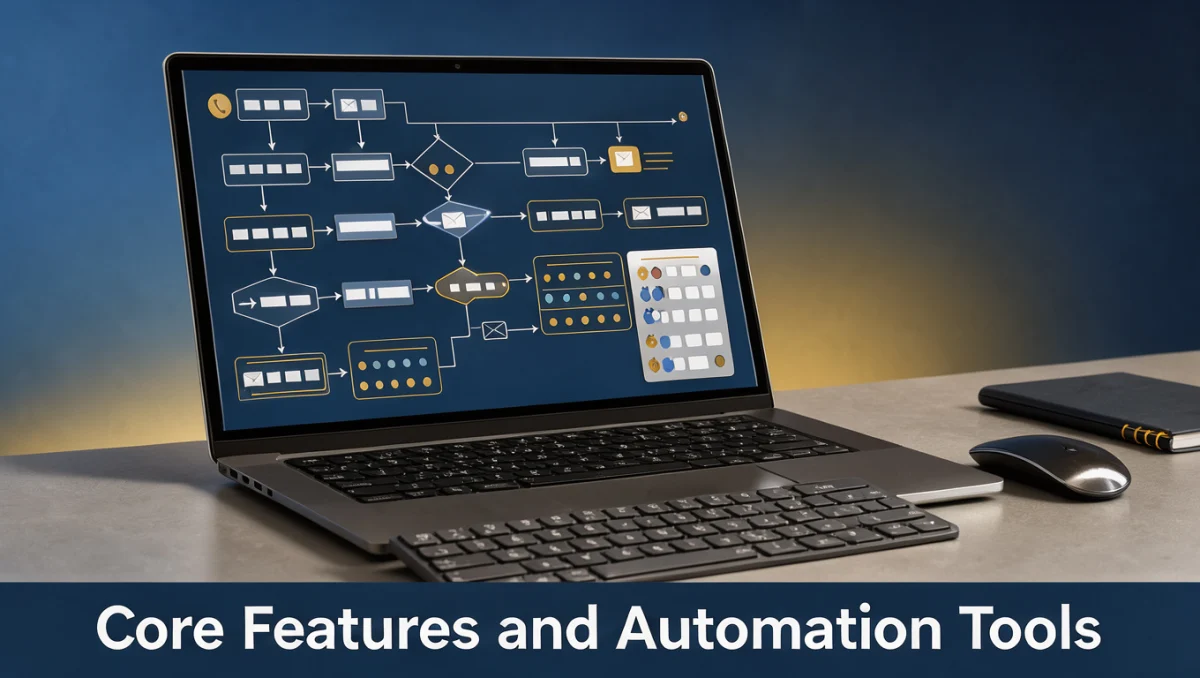
Assessing campaigner email marketing new features means looking at the fundamental functional groups that define enterprise-grade email systems. Rather than chasing temporary promotional updates, buyers should evaluate how the core software handles everyday list management, message composition, triggered sequences and performance analytics.
3.1. Contact list management and subscriber segmentation
Contact management is the backbone of any email service provider, letting teams store, categorize and maintain subscriber records over long periods. Campaigner lets marketers group contacts into distinct lists, define custom recipient fields and apply filtering logic based on subscriber attributes or interaction history.
Segmentation tools let operators isolate engaged subscribers, separate prospects from existing customers and suppress inactive addresses to protect recipient interest. Clean database organization directly affects broadcast results, so robust filtering is a prerequisite for systematic marketing operations.
3.2. Email campaign builder and responsive template design
Message creation in Campaigner revolves around structured design environments where users assemble visual layouts, insert text blocks, add promotional imagery and format call-to-action buttons. These tools produce mobile-responsive layouts without hand-coding each message from scratch.
Beyond visual assembly, email marketing software commonly offers source-code editing for technical teams that need precise brand styling and strict layout control. Reviewing the template workflow helps organizations confirm that both non-technical creators and developers can produce on-brand communications efficiently.
3.3. Automated workflows and triggered messaging
Marketing automation lets teams schedule messages according to specific subscriber actions, time intervals or database field updates. Campaigner includes automation tools that trigger welcome messages, sequential nurture tracks and re-engagement notifications when contacts meet predefined criteria.
Multi-step branching logic lets businesses send relevant follow-up content depending on whether a recipient opened a previous message or clicked an internal link. Automated sequences remove repetitive manual sending while keeping consistent touchpoints across longer sales cycles.
3.4. Campaign reporting and performance tracking
Tracking dispatch outcomes is essential for judging audience response and refining subject lines or content formats. Campaigner tracks standard delivery metrics, including transmission totals, opens, click distribution, bounce classifications and opt-out requests.
Comparative analytics let marketing operators measure individual broadcasts against historical baselines to spot successful patterns. These aggregate figures guide editorial decisions, helping senders identify strong dispatch days and engaging themes over time.
4. Ease of use and learning curve
Using Campaigner reflects its focus on structured list management and multi-branch automation. Basic newsletter creation is straightforward once templates are set up, but configuring multi-stage branching rules and complex demographic segmentation requires dedicated training and disciplined procedures.
Teams adopting the platform should expect an onboarding period devoted to importing contact databases, mapping custom fields and configuring verification records. Organizations with experienced digital marketers will move through the menu structure comfortably, while novice creators may find advanced query builders challenging at first.
To speed adoption, organizations should document standard procedures for list hygiene, template approval and test sends before granting broad access to production environments.
5. Pros and cons of Campaigner
Weighing functional strengths against practical limitations gives marketing leaders an honest basis for choosing software.
5.1. Operational strengths
- Structured segmentation tools for detailed contact sorting using custom data fields and interaction history.
- Multi-path automation builders that handle multi-stage customer onboarding and nurture sequences.
- Comprehensive reporting dashboards covering delivery rates, click engagement and bounce categories.
- Design environments that support both visual template assembly and custom markup editing.
5.2. Operational considerations and workarounds
- Steeper onboarding for non-technical users compared with lightweight newsletter tools, which can be eased by creating standardized campaign templates.
- Advanced query building needs careful database planning, which teams can manage by setting uniform field naming conventions before importing contacts.
- Extensive administrative settings call for documented permission protocols to prevent accidental broadcasts.
6. Campaigner vs similar email marketing tools
Comparing Campaigner with established peers clarifies its distinct position in the marketing technology landscape.
| Platform | Target Audience | Primary Positioning | Key Operational Focus |
|---|---|---|---|
| Campaigner | Growing mid-market teams and agencies | Advanced contact segmentation and systematic workflow automation | Complex subscriber logic and structured automated sequences |
| Mailchimp | Small business owners and generalist teams | Broad marketing hub with multi-channel publishing tools | Accessible template design and all-in-one promotional utilities |
| Constant Contact | Local businesses and community organizations | User-friendly event promotion and newsletter communication | Simple drag-and-drop creation with guided list building |
| ActiveCampaign | Sales-aligned organizations and digital marketers | Deep customer experience automation and behavioral messaging | Granular lifecycle automation and cross-channel tracking |
Mailchimp targets small businesses that want an intuitive design environment and multi-channel marketing tools. Constant Contact focuses on straightforward layouts for community groups and local merchants who value quick dispatch over intricate database queries.
ActiveCampaign emphasizes sophisticated behavioral branching for businesses coordinating customer journeys across sales pipelines and funnels. Campaigner sits between basic newsletter tools and broad marketing suites, concentrating mainly on high-capacity email automation and database segmentation.
7. Who should use Campaigner?
Software suitability varies with internal team skills, sending volume and campaign frequency.
7.1. Freelance marketing consultants
Freelancers managing email for several clients benefit from clean contact separation and repeatable sequence building. Consultants running simple announcement lists for local clients may prefer lighter tools that cut setup overhead.
7.2. Small business owners
Small operators running targeted retail or business-to-business communications can use automated follow-ups to nurture leads consistently. A business that only sends quarterly service updates will often find a simpler broadcast tool more cost-effective.
7.3. Dedicated digital marketers
Digital marketing specialists gain significant value from granular filtering rules, scheduled trigger sequences and post-campaign data exports. These features let professionals test content variations and improve subscriber retention across demographic groups.
7.4. Corporate communications personnel
Internal communications teams sending employee notices or partner bulletins need reliable segmentation to reach the right audiences. Where corporate teams do not need complex sales automation, simpler publishing platforms may be enough.
7.5. Educational coordinators and students
University departments and student groups running campus newsletters usually find complex automation suites more than they need for straightforward institutional bulletins, so lighter newsletter software is often the better choice.
8. How to choose the right plan for your business
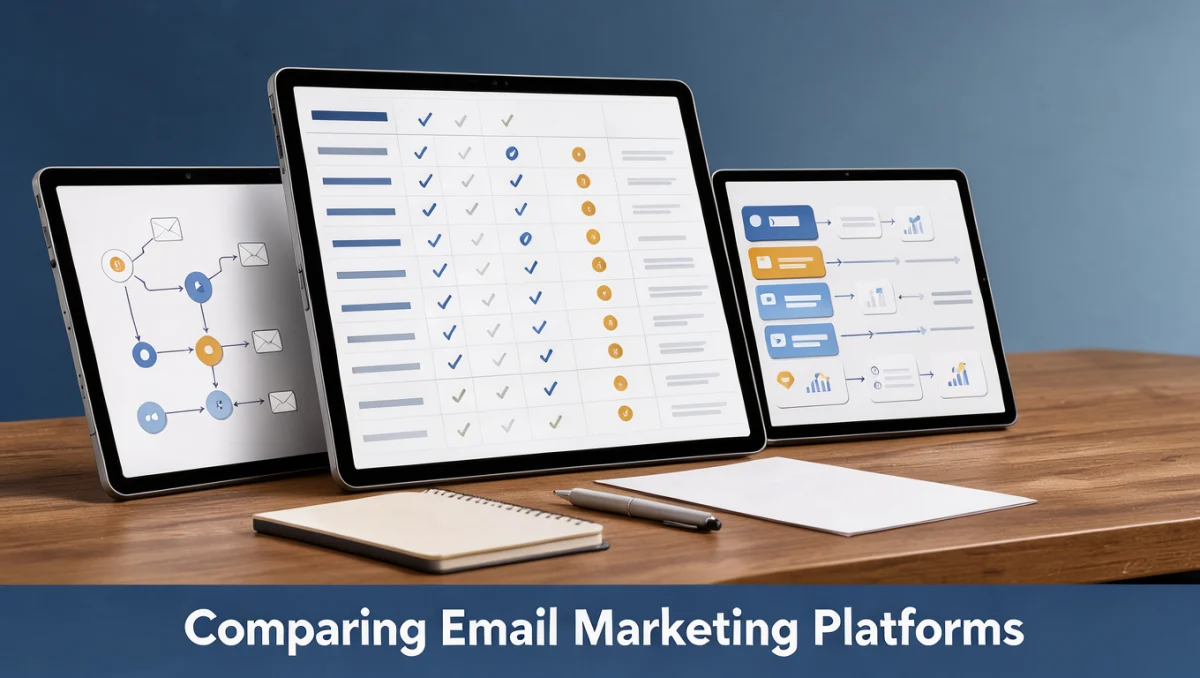
Vendors frequently revise plan limits, feature allocations and subscription costs, so buyers should review current parameters on the vendor portal before signing.
| What to check on official pricing pages | Why it matters |
|---|---|
| Subscriber database caps | Email platform costs commonly scale with contact count, so sudden database growth can raise monthly expenses. |
| Monthly dispatch volume limits | Some tiers cap sending volume per billing cycle, which directly affects teams running frequent promotional tests. |
| Automation workflow access | Vendors often reserve multi-stage branching logic or complex behavioral triggers for higher tiers. |
| Multi-user administrative seats | Collaborative teams need individual logins and permission controls, which may be limited on entry-level plans. |
| Additional messaging channels | Supplementary options such as text messaging often come as separately billed add-ons with their own usage fees. |
9. Frequently asked questions
9.1. What should marketing teams evaluate before migrating an existing subscriber list?
Teams should assess database cleanliness, custom field structures and opt-in consent records before importing contacts. Confirming that unsubscribe histories and bounce records transfer accurately prevents delivery interruptions and protects sending reputation during the move.
9.2. What factors determine whether a business needs advanced marketing automation?
Advanced automation becomes necessary when customer journeys involve multi-stage onboarding, behavioral re-engagement triggers or separate content tracks by purchase category. Companies sending only uniform weekly bulletins rarely need complex branching.
9.3. What should buyers check regarding multi-user access permissions?
Buyers should confirm on the official vendor comparison page whether their target tier supports role-based permissions such as editor, viewer or administrator. Role restrictions prevent unauthorized list exports and ensure drafts are reviewed before broadcast.
9.4. What additional costs should businesses anticipate beyond the base subscription?
Budget for list verification services, graphic asset licensing, specialized template coding and supplementary communication credits such as SMS. Reviewing these peripheral needs keeps total cost calculations accurate.
9.5. Should businesses consult a deliverability specialist before launching high-volume campaigns?
Organizations moving large subscriber databases benefit from deliverability guidance to configure domain authentication records correctly. Proper domain verification and a gradual ramp-up in sending volume protect sender reputation from early delivery filtering.
10. Final verdict
Campaigner offers a capable, business-focused environment for organizations that prioritize disciplined list management and structured sequence automation over simple newsletter templates. Its administrative depth brings an onboarding curve, but marketing teams committed to structured segmentation will find its campaign tools well aligned with commercial broadcast goals.
| Criterion | Score /10 | Reason |
|---|---|---|
| Features | 8.0/10 | Provides comprehensive contact segmentation, multi-stage automation logic and complete broadcast performance reporting. |
| Ease of Use | 7.2/10 | Requires dedicated onboarding and operational familiarity to configure advanced branching logic and database queries. |
| Pricing and Value | 7.5/10 | Buyers should verify current contact tiers and sending allowances on the official website to confirm cost fit. |
| Integrations | 7.4/10 | Teams should check the official application directory to confirm required customer relationship and ecommerce connections. |
| Audience Fit | 8.1/10 | Well suited to structured marketing departments and agencies running data-driven lead nurturing campaigns. |
| Support | 7.3/10 | Users should check available assistance channels and service hours in the official vendor support documentation. |
| Competitive Position | 7.7/10 | Holds a solid mid-market position against broader marketing suites by emphasizing dedicated email workflows. |
Overall score: 7.6/10
For structured marketing departments that want disciplined contact filtering and automated sequence execution, Campaigner is a dependable platform. Organizations with modest sending needs should consider simpler alternatives to avoid paying for administrative complexity they will not use.
Readers with further questions about choosing email marketing software can contact our editorial staff through the Trustreviewsx contact page or follow Trustreviewsx on LinkedIn via our company profile.
See More Trust Bench X